Early Weaning Lambs: What the Massey Trials Found
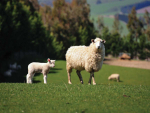
Farmers with high-quality feed available in late spring could consider weaning at least a proportion of their lamb crop early to benefit both lambs and ewes.
 increase font size
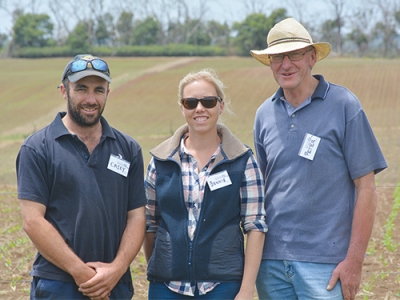 Casey and Bonnie Taylor pictured with Casey’s dad Peter.
Australian dairy farmers Casey and Bonnie Taylor are noticing the difference after changing their cows' diets from Freddo Frogs and low G.I. bars.
That's not to be taken literally of course, but the shift to a feeding regime designed to slow the metabolism of the cows is one of many initiatives improving the farm's operations.
The cows are now grazing more high quality home-grown grass, with grain fed to complement the on-farm feed.
"It's like the difference between eating a Freddo Frog and a low G.I. bar: if they eat the Freddo they get the same energy but they're hungry again five minutes later," Bonnie said.
The Taylor farm at Heathmere near Portland in south-west Victoria has changed a lot in the past two years as part of the WestVic Dairy business focus farm programme. Changes include more perennial pastures and cropping, more detailed management of feed, and using the existing feedpad to help through the winter wet period.
A three-way cross breeding programme was in place so condensing the calving pattern and bringing it forward from the traditional May become the main calving focus.
DairyBase data shows the changes have worked.
In 2013-14, the Taylor farm had a 4.5% return on total assets compared to a south-west Victorian average of 7.10%.
In 2014-15 that was reversed with the Taylors achieving a 4.80% return vs a 4.60% regional benchmark in the wake of tougher environmental conditions and a lower milk price.
In 2013-14 the home-grown feed was 6.2 t DM/ha, the same as the regional benchmark. The following year it was 6.5 vs 5.4 regionally.
Milk production increased from an average of 460 to 491/kgMS per cow.
Total feed costs went from A$2.67/kgMS to A$2.43, well below the regional average and achieved mostly on the back of a big saving on purchased feeds. Total costs went from A$5.74/kgMS to A$5.07, now well below the south-west average of A$5.59.
The farm has 460 cross-bred milkers on a 340ha milking platform and 120ha calf and heifer development area.
The feeding changes designed to maximise dry matter intake led to marked improvements, particularly in countering the traditional June-August hurdle caused by wet paddocks.
The farm has gone from being a low-medium grain feeder.
The Focus Farm group had a big input into the feeding programme, which included more grazing on high quality pastures, use of the 180-cow feedpad to feed silage or cereal hay, and targeted grain feeding with secondary starch and fibre sources aimed at slow implementation.
"By slowing them down and utilising better quality feed, the cows weren't as hungry when they hit the paddocks. It's not just about feeding and cow condition, it's also about paddock management," Casey says.
The move included planting 30ha in a mix of cereal crops and legumes and maize later in the year to add starch to the diet.
The decision to grow and conserve more high quality grass has helped the farm to become more self-sufficient, to avoid pasture damage in winter and to have some grass available in summer.
They are growing about 28ha of lucerne and the summer cropping covers 35ha of peas and oats and peas and sorghum for dry cow silage, and maize.
"We're continually scoring pastures to make sure the quality is high," Casey said.
"DairyBase has been excellent for that but it's also looking at the animals and the condition of the pastures. We wanted to see production increase but it wasn't production at all costs." The farm's three-way cross-breeding system aims for hybrid vigour and has resulted in definite improvements for the herd.
Farmers with high-quality feed available in late spring could consider weaning at least a proportion of their lamb crop early to benefit both lambs and ewes.

OPINION: Your old mate hears an international incident is threatening to blow up the long-standing Anzac alliance as Kiwis and Aussies argue over who wants new Australian resident and former NZ Prime Minister Jacinda Ardern.
If growing more feed at home adds up to $428 profit per tonne of dry matter to your bottom line, wouldn’t it be good to have a ryegrass that gets you there quicker?
OPINION: Your old mate hears that at a recent China Business Summit, PM Christopher Luxon delivered a none-too-subtle "could try harder" report card on the red meat industry regarding its exports to China - particularly when compared to Australia.
More Australian states are embracing virtual fencing technology, opening growth opportunities for Kiwi companies like Halter.


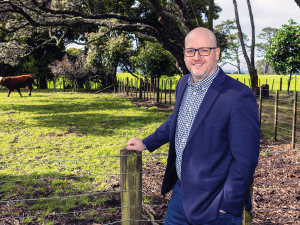
A farmgate milk price of $10/kgMS this season is firming up as milk powder prices soar and the New Zealand dollar weakens.
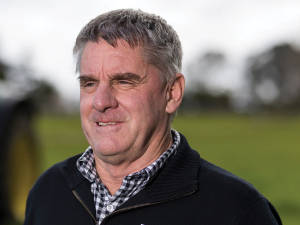
Federated Farmers has welcomed new rural policies released by ACT, saying they align closely with its own election priorities.
Rural Contractors NZ says proposed changes to land transport rules for agricultural vehicles are a welcome response by the Government to out of date regulations which have seen members hit with huge fines.
Alliance is calling for final applications for its 2027 Graduate Programme, with applications closing on Sunday 25 October.
Decades piloting planes has ensured vet and farmer David Hayes is focused on safety. So, after a serious accident while welding on farm, he is sharing his experience so others can learn from it.
Canterbury milk processor, Synlait Milk has confirmed Leon Fung as its chief executive officer.