International Day of Rural Women: Two DairyNZ Farmers’ Stories
Today, 15 October, is the International Day of Rural Women, which recognises rural women’s contribution to farming, communities and the environment.
 increase font size
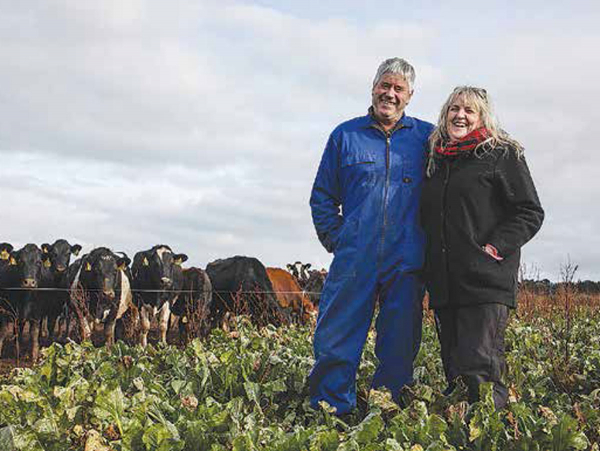 Southland farmers Ewen and Diane Mathieson have experience in wintering well to protect their stock and the environment.
Farmer Ewen Mathieson is working hard to protect their stock and the environment by wintering well during the coldest months of the year.
Traditionally, July brings chilly temperatures, wet weather and an increased risk of snow. To help farmers stay on top of these challenging conditions, Southland dairy farmer Ewen, shares his experiences of managing winter grazing.
Speaking on a DairyNZ podcast, Mathieson agreed that planning ahead, developing contingency plans, and carrying out daily checks are key to providing good animal care, protecting the environment and minimising stress for people and animals over winter.
“Having a wintering plan helps identify risks like slopes, water sources, and different soil types which helps us to plan our winter grazing to reduce the risk of contaminant and sediment runoff,” he says.
“Planning allows us to think through the different scenarios that could occur over winter and prepare for them. It helps reduce stress and allows you to get a better night’s sleep,” adds Ben.
Mathieson has developed small sawdust pads on his farm to provide cows with a comfortable space to move to, and lie on, in bad weather.
“Cows need to be able to lie down while they are digesting feed,” he says.
“They need to express their natural behaviours and lying is an important part of this.”
Mathieson says a particular focus on his farm is checking animals regularly – once or even twice daily.
“This helps us catch issues early so that small issues don’t escalate into bigger problems.”
DairyNZ’s head of the South Island, Tony Finch, says during July and August the weather can be very cold and unpredictable, and farmers need to keep up their focus on caring for stock right to the end of winter.
“Daily checks on the weather forecast, paddock conditions and cows are all vital to protect your herd. You can use the gumboot test to check that the ground is suitable for cows to lie on. Planning ahead is also key to ensure that cows don’t calve on mud.”
Last winter, 89% of farmers developed a contingency plan to protect their animals and the environment in bad weather.
Finch says it’s not too late for farmers to develop a Plan B if adverse weather strikes, using DairyNZ’s template.
“If you do have a Plan B, check your team understand when to action it.”
To listen to the new podcast, access the gumboot test, and other wintering advice visit www.dairynz.co.nz/wintering, or visit www.beeflambnz.com/wintergrazing for wintering resources.
Today, 15 October, is the International Day of Rural Women, which recognises rural women’s contribution to farming, communities and the environment.
The first major update to the Dairy Cattle Code of Welfare in more than a decade has been released, marking what DairyNZ describes as an important step in ensuring animal welfare standards continue to evolve alongside scientific evidence and on-farm realities.
Have a plan in place for your cows and staff.
As farmers begin thinking about establishing next year’s winter forage crops, Beef + Lamb NZ is encouraging farmers to carefully consider what crops they are planting and where.
DairyNZ deputy chair Cameron Henderson has been re-appointed unopposed for another term.



Fonterra Co-operative Group chief financial officer Andrew Murray has resigned to take up a role outside the dairy giant.
A major move is about to get underway to improve the quality and viability of dairy beef and cattle in NZ.
Veterinarians say changes to the code of welfare for dairy cattle provides a positive foundation for improved cattle welfare across the country.
Today, 15 October, is the International Day of Rural Women, which recognises rural women’s contribution to farming, communities and the environment.
Global dairy giant Lactalis has integrated its Australian operations with the Mainland Dairy consumer business it acquired from Fonterra earlier this year.
High country stations, mixed sheep and beef farms, Māori-owned farms, corporates and family operations are among the nine commercial farms taking part in the Livestock Innovation Farming Transformation programme, known as LIFT.