International Day of Rural Women: Two DairyNZ Farmers’ Stories
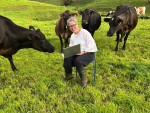
Today, 15 October, is the International Day of Rural Women, which recognises rural women’s contribution to farming, communities and the environment.
 increase font size
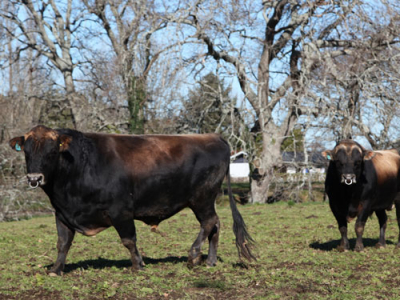
When choosing bulls to use instead of AI, you must consider their age, size, health and the breed-related risk of assisted calvings, says DairyNZ.
If you plan to rear heifer calves from the bulls, you also need to consider the bulls’ genetic merit and pedigree.
Select bulls from a bull rearer with a reputation of growing and delivering healthy bulls.
Older bulls can be temperamental, difficult to manage and are more likely to have injuries to the penis, back or legs.
Use bulls that are no more than 4 years old; choose virgin bulls whenever possible as they are less likely to introduce venereal diseases to the herd; but avoid using bulls that are less than 15 months old.
Insist on bulls vaccinated for lepto(spirosis) and verifi ed free of tuberculosis (TB), bovine viral diarrhoea (BVD), neospora, Johne’s disease and EBL.
Consider testing for Trichomoniasis and Campylobacter (vibrio).
Select bulls of similar size and age; and from the same mob. This will reduce fighting when they are with the herd. Exclude bulls with deformed feet.
Select bulls of similar size to the cows or heifers to be mated, always preferring smaller bull size (Jersey bulls with HolsteinFriesian cows).
If bulls are heavier than the cows or heifers, then injuries to both bulls and cows are more likely. Observe bulls serving tall cows; ensure they are able to serve correctly. Use bulls that are likely to minimise the number of calvings requiring assistance. In larger herds, bull matings are rarely recorded and staff can become confused differentiating between AB calves and natural mating calves.
Today, 15 October, is the International Day of Rural Women, which recognises rural women’s contribution to farming, communities and the environment.
The first major update to the Dairy Cattle Code of Welfare in more than a decade has been released, marking what DairyNZ describes as an important step in ensuring animal welfare standards continue to evolve alongside scientific evidence and on-farm realities.
Have a plan in place for your cows and staff.
DairyNZ deputy chair Cameron Henderson has been re-appointed unopposed for another term.
OPINION: The stats speak for themselves.


Federated Farmers has welcomed new rural policies released by ACT, saying they align closely with its own election priorities.

Rural Contractors NZ says proposed changes to land transport rules for agricultural vehicles are a welcome response by the Government to out of date regulations which have seen members hit with huge fines.
Alliance is calling for final applications for its 2027 Graduate Programme, with applications closing on Sunday 25 October.
Decades piloting planes has ensured vet and farmer David Hayes is focused on safety. So, after a serious accident while welding on farm, he is sharing his experience so others can learn from it.
Canterbury milk processor, Synlait Milk has confirmed Leon Fung as its chief executive officer.
OPINION: Making it easier to collect rainwater and use it to grow crops and livestock is a no brainer.