BCS Targets: Why Body Condition Score Matters at Calving
Body Condition Score (BCS) is a critical element in managing the health and reproduction of the dairy herd.
 increase font size
 The potential for farmers to use DNA to breed healthier, more efficient cows faster is exciting, says CRV myDNA product manager Anna Morrow
Using DNA to identify the unique make-up of a dairy cow will become an increasingly powerful tool for dairy farmers as they look to fast-track the genetic gain of their herds, says new CRV myDNA product manager Anna Morrow.
The potential for farmers to use DNA to breed healthier more efficient cows faster is exciting says Anna, who started in her new role at the end of March.
“Farmers can improve their results by using genomics to select better animals in their herd and by using the technology to make more informed breeding decisions,” says Anna.
The technology is becoming increasingly accessible and, in the future, could help farmers respond to challenges such as reducing their environmental footprint.
“More farmers are DNA testing their young stock which will allow them to better predict the performance of their cows over a lifetime. Currently traits such as polled [without horns] are available, and in the future, we could predict other traits such as low methane.”
The practical application of genetics and its potential to solve problems is what encouraged Anna to switch from neuroscience to genetics at the University of Otago.
“Every living thing has DNA. It tells you everything about that animal or plant, how it grows, develops and functions. Genomics is a really new technology, there is still so much to learn.”
Anna’s unique blend of on-farm experience and knowledge of the complex world of genetics will help in her role managing and developing CRV’s DNA testing service.
Anna grew up on a farm in Gordonton, near Hamilton, and has worked as a relief milker. After university she worked as an embryologist where she created embryos to help provide the top bulls of the future. She then started at CRV last year coordinating the delivery of myDNA before being promoted to manager.
Anna encourages farmers to jump on board with DNA technology to ensure they have access to the best future genetic solutions.
“CRV’s myDNA uses technology that is future-proofed. We use a high-density chip that can capture the unique DNA points to detect genetic variation in cows and as we learn more about those points the predictions will become more powerful.”
NZAEL’s intention to include genotypes into its evaluation system by December 2022 further highlights the industry’s shift towards genomics.
“It’s fascinating seeing genetic technology being used to strengthen the agriculture sector and allowing farmers to achieve genetic gain faster.
“It’s great being a part of that and I can’t wait to see where we head to next,” says Anna.
“Looking overseas to farmers in Netherlands and other parts of Europe, they already select based on genomic information alone and more farmers will start doing that in New Zealand. Now is the time to get young stock in the system – once tested you can track those animals for life.”
For more information on myDNA visit crv4all.co.nz
Body Condition Score (BCS) is a critical element in managing the health and reproduction of the dairy herd.
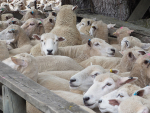
Body condition scoring ewes at least six weeks out from mating can make a significant difference to conception rates and scanning percentages.
Hit the ground running this mating with these foundations for success.
While the recent payout announcement is not the news dairy farmers were hoping for, it’s an opportunity to review on farm performance with a specific focus on protecting your farm’s profitability.
The highly anticipated 2023 Discovery Project team has been revealed, marking an exciting milestone for New Zealand Holstein Friesian breeders.


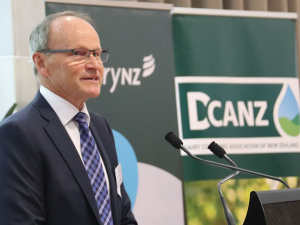
Dairy processors are ready to further boost New Zealand’s export earnings but want the incoming government to match their ambition with good policy.
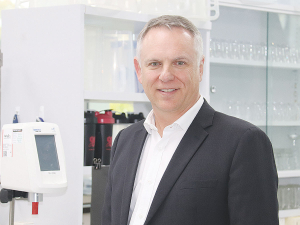
Massey University is best placed to solve the “problems” facing the dairy industry, says vice chancellor, Pierre Venter.
Synlait's longest serving employee – a man who joined the Canterbury-based milk processor even before it began processing milk – is now its newest executive.
A dairy industry leader believes eradicating the common and costly disease, Bovine Viral Diarrhoea (BVD) is within reach.
A farmgate milk price of $10/kgMS this season is firming up as milk powder prices soar and the New Zealand dollar weakens.
Federated Farmers has welcomed new rural policies released by ACT, saying they align closely with its own election priorities.