Cameron Henderson Reappointed Unopposed as DairyNZ Deputy Chair
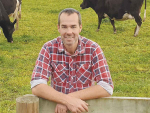
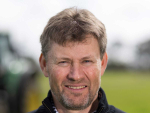
DairyNZ deputy chair Cameron Henderson has been re-appointed unopposed for another term.
 increase font size
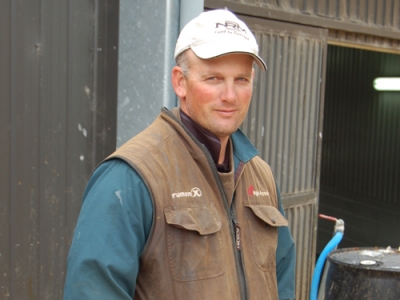 Chris Lewis, Federated Farmers Waikato president.
Many dairy farmers are discussing the virtues of Fonterra’s loan for sharemilkers, and the consensus seems to be to see it as a last resort.
A wise dairy farmer should have done a full cashflow forecast for the season by now. Meet with your farm owner if you are worried about your finances; discuss the issue and let him go away and think about it. To resolve these issues may take a few meetings so be patient.
Some farm owners have put their lower order sharemilkers on wages, some have given top-ups, with agreement to square up at the end of season, and others have gone on contract. In other cases, sharemilkers have walked off-farm.
I milk 1100 plus cows; I can’t do it by myself, so I value and respect my staff as do most farm owners.
Communication is key and seeking help is most important. I’ve had my farm advisor, accountant, banker and dad assist me with advice on budgets and strategy and if required reset our goals to stay in business.
Since Fonterra released its estimated payout for the season, the GDT has risen and the US dollar has dropped, so there is some hope of improvement.
In recent weeks, I’ve attended many meetings discussing the sharemilking situation, the low payout and its effects on financial viability. Waikato Federated Farmers, DairyNZ, Dairy Women’s Network, Fonterra (representing dairy companies) and the federation’s sharemilker executives have discussed what can be done to support sharemilkers.
Sharemilkers need to come forward for help, but not all will. Federated Farmers can help; we can’t solve the financial headache or the big overdraft, but we can help put plans in place.
The support group includes myself, Craig Littin and Ben Moore from Waikato Federated Farmers, Dairy NZ’s Angie Fisher and Wade Bell, Sarah Wood from Fonterra and Melissa Sinton from the Dairy Women’s Network.
Federated Farmers has also teamed up with KPMG to run seminars on financial awareness, starting in Waikato in the first week of October. You can find employment and legal advice on the Federated Farmers website.
The sharemilkers’ and sharemilkers employers’ sections have also been advising members on good communications with all parties. Our territory managers and 0800 team have taken a lot of calls and referred people on to get the right advice.
The Dairy Women’s Network is offering support, training and coaching in budgeting from October. Fonterra has a support package of loans, deferred payments and bull payment plans.
DairyNZ has dedicated a web page to farm owners and variable order sharemilkers, guiding farmers to organisations offering help. They also running a ‘tight times’ campaign and have a checklist for sharemilkers.
Rural accountants offer free budgeting and planning sessions around the country. Register on the webpage, www.dairynz.co.nz/vosm.
Dairy Connect is a mentor programme linking farmers to one another to share experiences and advice. The support farmers who offer their time and experience are a good sounding board for anyone needing confidence in their decisions or a new perspective.
• Chris Lewis is Waikato Federated Farmers provincial president.
DairyNZ deputy chair Cameron Henderson has been re-appointed unopposed for another term.
Rural leader Mark Hooper has been appointed as an independent director to the NZPork board, bringing extensive farming, governance and advocacy experience to the role.
OPINION: The stats speak for themselves.
OPINION: It seems Canterbury processor Synlait is still in the doldrums.
OPINION: Get offside with New Zealand First leader Winston Peters at your own peril.



Now in its fourth year, the 2026 Fencing Industry Awards, formed part of the proceedings of the FCANZ Conference, held in Nelson during August.
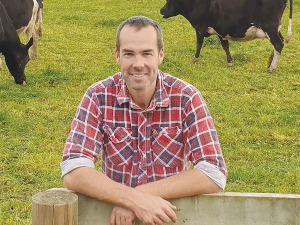
DairyNZ deputy chair Cameron Henderson has been re-appointed unopposed for another term.
OPINION: The stats speak for themselves.
Farms across the upper North Island are trialling different pasture mixes as part of a research programme that aims to build greater resilience into farming systems.
Election years are always a concerning time for farmers, according to DairyNZ chair Tracy Brown.
The Ballance Farm Environment Awards are coming to the West Coast of the South Island.