Damien O’Connor Criticises Budget 2026 as ‘Miserable’ for Rural New Zealand
A miserable budget that didn’t deliver much for anyone.
 increase font size
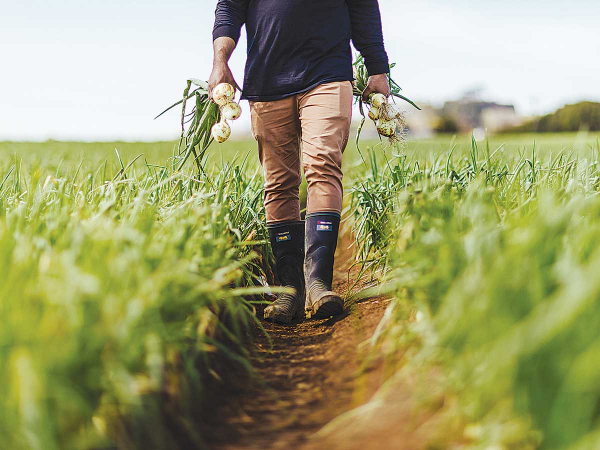 The new government and industry strategy aims to grow the value of New Zealand’s horticultural production to $12 billion by 2035.
A newly launched government and industry strategy aims to grow the value of New Zealand’s horticultural production to $12 billion by 2035.
“We’re focused on long-term strategies that build on the yearon- year record revenue earned by our farmers and growers,” claims Agriculture Minister Damien O’Connor.
Last year, NZ’s primary sector export revenue was $53 billion, with horticulture contributing $6.7 billion. In 2023, horticulture exports are expected to hit a record $7.1 billion.
“The new Horticulture - Growing Together 2035 - Aotearoa Horticulture Action Plan Strategy set outs the pathway to achieve what is an ambitious and achievable goal,” O’Connor said at the reports launch.
“Consumers here and around the world continue to demand high quality and nutritious fresh fruit and vegetables to boost their wellbeing. Food security is a growing issue globally and we want to ensure New Zealanders have access to affordable food.”
O’Connor says the Growing Together 2035 Strategy’s vision is that New Zealand is synonymous with worldleading healthy produce, which is grown with care for people and place, and is enjoyed by consumers around the world.
“New Zealand has worked hard to build an excellent brand for quality. We’re fortunate to have one of the best climates and some of the most fertile soil in the world providing the right foundations to grow world-class produce.”
The Strategy focuses on five outcomes:
- Grow sustainably
- Optimise value
- Māori are strong in horticulture
- Action underpinned by science and knowledge
- Nurture people.
Horticulture New Zealand chief executive Nadine Tunley said the plan deliberately focuses on outcomes and actions across the value chain where partners can collaborate to generate the most benefits.
“Its outcomes are supported by a series of actions that will work together to grow the overall sustainability and value of NZ’s horticulture sector,” she explained.
Tunley added the actions range from identifying energy-intensive areas of the horticulture value chain and supporting conversion to systems that reduce greenhouse gas emissions; to improving crop management and protection, developing pathways to increase Māori participation, increasing capability; and better understanding consumer needs and channels to market.
She says during this year, the action plan will be driven forward by a dedicated programme manager who will find opportunities to existing work and bring partners together to develop new projects.
O’Connor says the Growing Together 2035 Strategy aligns with the Government and sector roadmap, Fit for a Better World and the National Policy Statement for Highly Productive Land, and builds on the sector’s Horticulture Post-Covid Recovery Strategy.
A miserable budget that didn’t deliver much for anyone.

National's decision to ‘dribble’ information about the NZ/India to Labour contributed to the delay in it deciding to supported the FTA.
When it comes to international trade, politicians from all sides of the aisle are united, says Labour's trade spokesman Damien O'Connor.
Federated Farmers have reiterated their support for the coalition Government to abolish the present ban on the live export of animals.
As the coalition Government mulls new regulations to reinstate the export of live animals, debate is heating up between supporters and opponents.


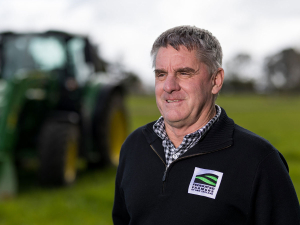
National’s pledge to introduce 19 new national standards shows the party is serious about getting Wellington out of farming, Federated Farmers says.
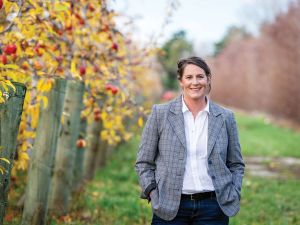
The National Party’s policies to make it easier to grow fresh vegetables, secure reliable water and energy and simplify farm planning are practical changes that will give growers the confidence to invest, according to Horticulture New Zealand (HortNZ).
Fonterra Co-operative Group chief financial officer Andrew Murray has resigned to take up a role outside the dairy giant.
A major move is about to get underway to improve the quality and viability of dairy beef and cattle in NZ.
Veterinarians say changes to the code of welfare for dairy cattle provides a positive foundation for improved cattle welfare across the country.
Today, 15 October, is the International Day of Rural Women, which recognises rural women’s contribution to farming, communities and the environment.