Waste to Treasure: Growing value in winery waste
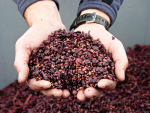
Wine companies have been "very generous" in gifting grape marc to a project working to transform the winemaking byproduct.
 increase font size
 Lincoln Agritech has been granted a $1 million contract from the Ministry of Business, Innovation and Employment to develop attenuated variants of disease-causing fungi that can be used to prime plants and protect against fungal diseases.
Plant fungal diseases can be devastating for horticulture and agriculture - in the worst cases, wiping out entire crops.
But Lincoln Agritech scientists believe altering the bacteria associated with disease-causing fungi will lead to new strategies to protect crops.
They have picked up a $1 million contract from the Ministry of Business, Innovation and Employment (MBIE) to develop attenuated (weakened) variants of disease-causing fungi that can be used to prime plants and protect against fungal diseases. The research programme will run for two years.
"In previous research, we found that the bacteria associated with a fungus affect its ability to cause disease," Dr Jin-Hua Li explains. "Our approach will make fungi available to cause disease by changing the bacteria that are associated with the fungi."
Working with scientists from Scion, Utrecht University in the Netherlands and the Foundation for Arable Research, Lincoln Agritech scientists will test the concept on brassica plants (a genus of plants that includes cabbage, cauliflower, and broccoli).
"We will test these attenuated variants on brassica plants, such as broccoli and cabbage," Li adds.
"We will coat seeds with the altered fungus, then try to infect the seedlings with the original fungus to see whether our new products have protected the plant from infection."
Once the concept has been proven in brassica plants, it will be applied to cereal crops, and could potentially be used on several horticultural crops.
Li believes this new approach to protection will not only help New Zealand's horticulture and agriculture industries, but also provide an export opportunity.
"The global agrochemical industry is pivoting to develop new biological alternatives in response to urgent global demands for reduced chemical use."
Li gives as an example EU regulations which demand a 50% reduction in chemical pesticide use by 2030.
"Our novel biotechnology will help exporters meet the growing market demand for non-chemical disease control."
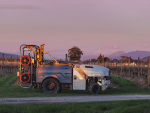
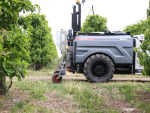
Wine companies have been "very generous" in gifting grape marc to a project working to transform the winemaking byproduct.

OPINION: Science funding for the bulwark of the nation, agriculture, is in a parlous state and less taxpayer money is shelled out for it every year.
OPINION: Media luvvies have pigeon-holed the Taxpayers Union (TPU) as some right-wing lobby, but as far as this old mutt can tell, the TPU focuses on shaming poor behaviour and wasteful spending by those that govern us, no matter who's in power.
New Zealand farmers can already subscribe to satellite-based services assessing their pasture levels; now scientists hope they can take satellite imaging to the next step and unlock information about its nutritional value.
OPINION: The new government has clearly signalled big cuts across the public service.


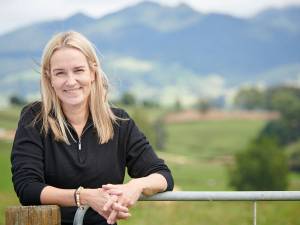
Minister of Conservation Hon Tama Potaka has appointed Susan O'Regan as Chair of the Queen Elizabeth II National Trust (QEII) for a three-year term.
Red meat farmers are welcoming Labour’s plan to review the Emissions Trading Scheme and not to campaign on pricing agricultural emissions.
Where any worker in the kiwifruit industry is mistreated, we expect the authorities to take action.
Mid Canterbury Federated Farmers arable chair, Bevan Lill, said Beef + Lamb NZ data indicated that for the last six years, the average arable return on investment was about 0.8% while inflation ran about 4% - so the average arable farm was going backwards at about 3% a year.
Seed and grain companies share the concerns of arable farmers about the viability of their sector, says Seed and Grain New Zealand chief executive Dr Sarah Clark.
The New Zealand Institute of Forestry (NZIF) says unnecessary changes to New Zealand’s Emissions Trading Scheme (NZ ETS) will seriously erode investor confidence and result in significant reductions in forest planting rates.