Cyclone Gabrielle: Hawke's Bay Orchardists Still Recovering
Three and a half years on from when Cyclone Gabrielle hit Hawke's Bay, some orchardists in the region are still receiving counselling to help them deal with the trauma they suffered.
 increase font size
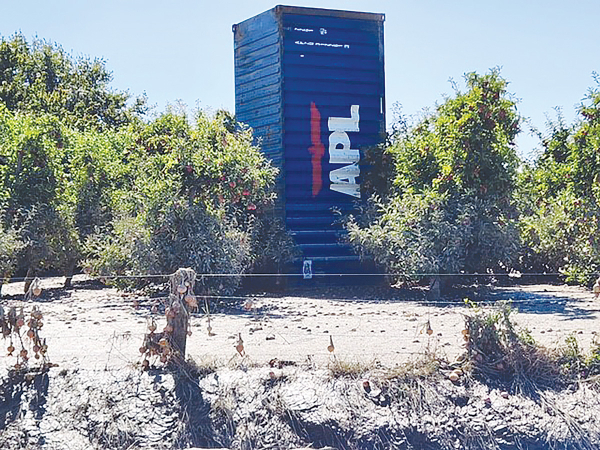 Plant & Food Research says while damage in the region varies significantly, it’s estimated that the cyclone has cost the Hawke’s Bay horticulture industry about $1.5 billion.
Scientists from Plant & Food Research have been collecting data from apple orchards in Hawke’s Bay to better understand the impact of Cyclone Gabrielle.
The Soil Health - Assessment and Recovery Project, which got underway two weeks after Cyclone Gabrielle, has involved working with about 30 orchard owners and managers to study the effects of silt and waterlogging on apple blocks. Working with industry body New Zealand Apples and Pears Inc, the aim is to develop resources that will be shared industry wide and help optimise grower’s spend on recovery efforts.
“This has been an extraordinary event and the industry has done a fantastic job of getting through the harvest under extremely challenging conditions,” says New Zealand Apple and Pears chair Richard Punter.
“Heading into winter, there are more complex decisions to be made and our focus is on keeping information flowing through to growers.”
Project leader, Dr Stephen Trolove from Plant & Food Research says while damage in the region varies significantly, it’s estimated that the cyclone has cost the Hawke’s Bay horticulture industry about $1.5 billion. This is in terms of both lost production and replanting costs.
Around 4000 hectares of apple orchards alone have been affected by silt or the waterlogging following the cyclone.
He adds that with winter pruning around the corner, growers will be considering where to focus their recovery efforts, with the hope of nursing any stressed trees back to good health and ensuring they can deliver a crop in coming seasons.
“Waterlogging can suffocate trees, and extremely wet soils can lead to serious root disease issues. We want to get more information on the implications for longer term tree survival,” Trolove explains.
“The data we collect will improve our understanding of the issues presented in the different blocks and which management practices were more effective, enabling growers to make better decisions when floods occur in the future.”
Plant & Food Research has partnered with horticultural consultants AgFirst and Fruition Horticulture on the project, who have used their networks and expertise to help identify orchards for the study and assist with data collection and interpretation.
The first round of surveying on orchards took place two weeks after the cyclone and orchard blocks are now being revisited for the second time, to reassess the condition of trees and groundcover.
Dr Jim Walker, who has led Plant & Food Research’s industry engagement since the cyclone, says other projects aimed at supporting the recovery of the horticultural sector in the aftermath of the February storm are also underway.
“We are listening carefully to feedback from industry partners and growers with a focus on building back even better,” he says.
“These initial projects and the data collection that’s underway could also help inform future research, such as orchard design for a changing climate, as well as the work we do with developing new rootstocks and apple varieties.”
Three and a half years on from when Cyclone Gabrielle hit Hawke's Bay, some orchardists in the region are still receiving counselling to help them deal with the trauma they suffered.
The apple sector is working with the Government to unlock access to two key markets that could bring millions in revenue for apple growers.
Agriculture Minister Todd McClay has admitted that a scheme bringing workers from Pacific nations to work on orchards has become too hard to navigate but says changes are coming.
New Zealand apple and pear industry stakeholders are out in force for the annual conference in Queenstown.
The chief executive of Apples and Pears New Zealand, Danielle Adsett, says fruit quality this year is phenomenal and the sector is hitting crop estimates, which is great for growers.


The potato industry is celebrating the success of two rising stars - James Blair, the 2026 Young Grower of the Year and runner-up and innovation award winner, Amber Davy.
Twenty-eight emerging leaders from across the horticulture sector spent two days last month learning valuable skills and connecting with industry experts.
There are five entrants in this year’s Young Horticulturist of the Year, competing in a series of technical, practical, business and leadership challenges.
A seasoned horticulturist has been appointed to deliver the Apple Action Plan, a key initiative of the India-New Zealand Free Trade Agreement.
New Zealand's citrus growers have been told to compete on the value built into their fruit rather than the volume they grow.
Hawke's Bay fruit growers are being reminded of the need to prepare for whatever the El Niño weather system may bring in the coming months.