NZKGI Responds to Migrant Worker Exploitation Reports
Where any worker in the kiwifruit industry is mistreated, we expect the authorities to take action.
 increase font size
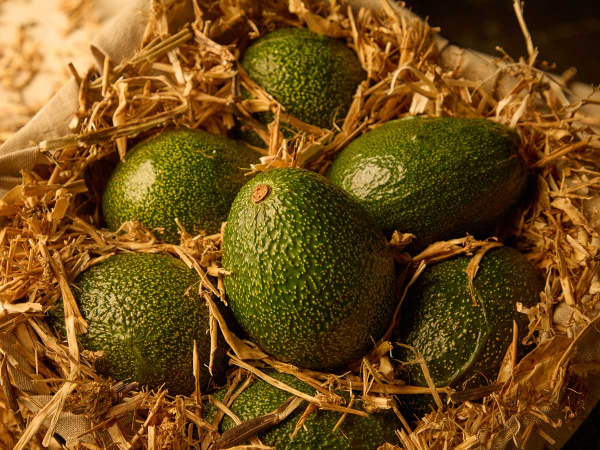 NZ Avocado is funding a comprehensive insights programme designed to get better data on trade dynamics, retail trends and consumer preferences.
While NZ Avocado is not directly involved in selling fruit, it does have a significant role in supporting exporters to develop and grow markets.
To that end, the organisation is funding a comprehensive insights programme designed to get better data on trade dynamics, retail trends and consumer preferences, especially at the trade level – data that will be fed back to exporters.
“What we can do is provide a validated provenance story that exporters can point to as they position their own well developed brands in market,” says Brad Siebert, NZ Avocado CEO.
As part of its wider advocacy role, NZ Avocado will advise on and support government initiatives to develop new markets and to remove tariffs and trade barriers.
Siebert says he would look at participating in government and industry led trade missions where there is an opportunity to open a new market or improve trade conditions, so outside of selling the NZ story, he would leave most promotional activities up to the exporters.
He says the industry works closely with government agencies such as MPI, MFAT and NZTE and liaises with other horticulture groups in this regard.
Australia has been and remains a big market for the NZ avocado sector and in the coming season is expected to take 1.8 million of the 3.5 million trays that will be exported. The other markets in order of volumes from NZ are Korea, Hong Kong, China, Taiwan, Canada, Thailand and Japan.
Siebert says one of key issues with exporting avocados is its limited shelf life. The fruit is stored on the trees, unlike other fruit which is harvested and kept in cool stores and later sent to market. “While good management can allow for longer storage, you often have less than 40 days from the time it’s detached from the trees to be sold. Growers, packers and exporters therefore work hard to minimise fruit age and optimise transport conditions,” he says.
Another issue the sector is working on is lifting consumption in new markets and getting across the message about the health and nutritional value of avocados.
For example, per capita consumption in NZ is just over three kilograms, nearly 4.5kg in Australia, but a mere 0.3kg in China which points to the opportunity across Asia and beyond.
Where any worker in the kiwifruit industry is mistreated, we expect the authorities to take action.

Kiwifruit growers are watchful but remain optimistic as concerns around the potential effects of the El Niño weather pattern this season.
James Blair, an agronomist for AS Wilcox and the Pukekohe regional champion, has won the 2026 Young Grower national title.
Claimed to be the first autonomous robot for New Zealand vegetables growers, the first Kilter AX-1 unit has arrived in the country.
After delivering a strong financial year, rural trader PGG Wrightson says the coming months will depend on customer confidence and weather.


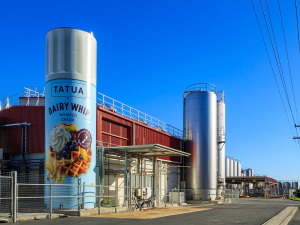
Waikato milk processor Tatua has again declared a record milk payout to farmer shareholders, leaving other processors in the dust.

A Labour-led Government won’t be bringing back the controversial freshwater rules of 2020.
National’s much-touted free trade deal with India featured in the Rural Issues Debate at Mystery Creek, Hamilton on Wednesday night.
New Zealand's 2026-27 freshwater fishing season has opened, with anglers encouraged to head to rivers and lakes over the coming days as conditions look favourable across much of the country.
Central Otago District Council (CODC) has voted against a plan to spread treated sewage sludge from Cromwell and Alexandra on farmland near Lauder, a decision Federated Farmers says reflects strong opposition from rural residents.
Pāmu has released its FY26 Integrated Annual Report, reporting a Net Operating Profit of $113 million, more than double the $49 million recorded in FY25.