Bird Flu: Keep Distance, Wash Hands, Report It
OPINION: It's a tough pill to swallow that bird flu (avian influenza) has finally arrived in New Zealand. This is a moment many of us have hoped would never come.
 increase font size
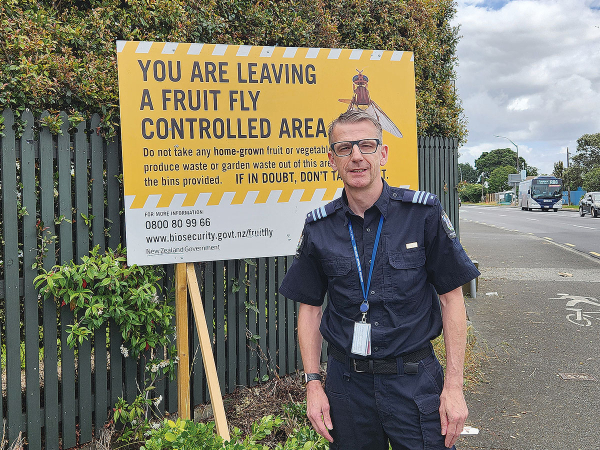 Mike Inglis, Biosecurity New Zealand Commissioner North.
Controls on the movement of fruit and vegetables in the Auckland suburb of Mt Roskill have been lifted.
Biosecurity New Zealand Commissioner North, Mike Inglis says that no further evidence of Queensland fruit fly in the area.
The decision to end the operation follows six weeks of intensive fruit fly trapping and the inspection of more than 230 kilograms of fruit.
Inglis says he thanks residents and businesses in the affected area for their support of the response.
“It wouldn’t have been possible to get to this point without the support of the local community. Every person who has kept an eye out for fruit flies, complied with movement controls, and safely disposed of their fruit waste, has played an important role in protecting our horticultural sector," he says.
"We are satisfied that with no further detections, the Controlled Area Notice restrictions can be lifted, and response operations closed.”
Biosecurity wheelie bins that have dotted the neighbourhood will be removed and road signs will be dismantled.
While response operations are ending, Biosecurity New Zealand’s routine nationwide surveillance continues, with a system of nearly 8,000 fruit fly traps spread across the country. More than 4,600 of these are in the Auckland area.
“The surveillance traps target three exotic fruit fly species of concern: the Queensland fruit fly, Mediterranean fruit fly and Oriental fruit fly. This successful response is a great example of how surveillance traps help alert us to the presence of unwelcome pests and enable us to stamp them out quickly,” says Inglis.
Biosecurity New Zealand staff will be out in the community today handing out flyers about the response closure and personally thanking residents and business owners for their contribution to the effort.
“I’d also like to acknowledge the good work of our people and our partners across the horticulture sector. By working together, and responding quickly, we have managed this situation well,” he says.
OPINION: It's a tough pill to swallow that bird flu (avian influenza) has finally arrived in New Zealand. This is a moment many of us have hoped would never come.
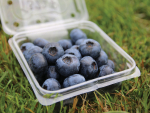
Blueberry growers are warning that fresh imports could pose a huge biosecurity risk for NZ’s horticulture sector.
Legal controls on the movement of fruits and vegetables are now in place in Auckland’s Mt Roskill suburb, says Biosecurity New Zealand Commissioner North Mike Inglis.
The quick response to the discovery of another fruit fly in Auckland is being praised by fruit and vegetable growers.
Biosecurity New Zealand Commissioner, North, Mike Inglis says the $2.4 million cost of a recent biosecurity operation in South Auckland is small compared to the potential economic impact of an incursion.


Farmgate lamb prices are down by 8%, beef cattle by 4.5% and farm expenditure up by 4.2%.
Kiwifruit growers are watchful but remain optimistic as concerns around the potential effects of the El Niño weather pattern this season.
Almond hulls sourced from Australian orchards may have the potential to help New Zealand cows reduce emissions, boost milk yield and lower input costs.
Striking a balance between meeting the needs of industry to speed up approval time for products but on the other hand ensuring that risks are properly assessed.
Surprised, humbled and quite thrilled. That’s the reaction of James Allen, one of the founding partners and now chief executive of AgFirst, on being made a life member of the Institute of Rural Professionals.