Seeka Posts Record $62m Profit as Zespri Lifts 2026 Forecast
More signs of a booming kiwifruit sector.
 increase font size
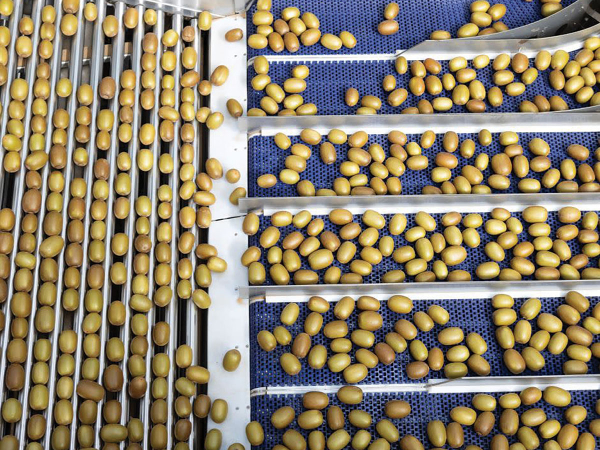 Seeka handles around 47.1 million trays of kiwifruit annually.
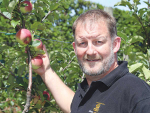
Seeka chief executive Michael Franks says while it's still early days in terms of the kiwifruit harvest, things are looking pretty good.
Seeka handles around 47.1 million trays of kiwifruit annually, of which 19 million trays come off their own orchards. The remainder of the fruit come from other orchards and is packed at one of their 11 packhouses based in the major kiwifruit growing regions around the country.
Franks says they have just about completed harvesting the red kiwifruit and he says the fruit size is a lot bigger, which is good, but fruit quality is a bit more indifferent.
"The red fruit poses more challenges for us because it is more like a berry rather than kiwifruit, and I think the industry is still getting its head around that," he says.
Franks says they are about a quarter of the way through the SunGold harvest and are also waiting or that green fruit - the Haywards - to come on. He says the weather has mostly been kind this season, apart from the cyclone, and regular rain has been helpful.
"Labour supply has generally been pretty good, although we have had some issues getting it to settle down across our 11 export packhouses. Because of this, there is some regional variability, and it hasn't been straight forward as we had hoped," he says.
Franks says like most companies in NZ, Seeka is facing inflationary pressure with such things as electricity.
"Generally, we have had a pretty good run over the last couple of years, and we are trying desperately to have another one," he says.
More signs of a booming kiwifruit sector.

Our job is not to panic but to professionally manage our way through this predicament.
Fruit trader Seeka posted a record profit and returns to shareholders in 2025.
Kiwifruit and fresh produce handler Seeka will be bouncing back strongly from a big financial loss in 2023.
In another sign of improving agribusiness sentiment, two listed companies have lifted their forecast earnings for the year.

Mobile phone coverage and reliability are deteriorating in rural areas, and farming families are bearing the cost, according to a Federated Farmers survey.
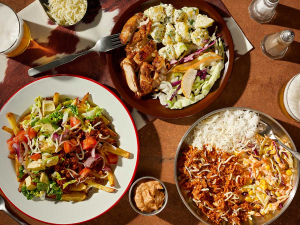
HelloFresh New Zealand has launched a limited-edition Country Cookout Box of Southern-inspired meals, arriving as the 2026/27 rodeo season gets underway.
Beef + Lamb New Zealand Incorporated (BLNZ Inc) is marking 40 years of promoting red meat to New Zealand consumers, citing its taste, family meals and nutritional benefits.
Pāmu has welcomed Taranaki student Paige Burston as its newest First Foundation Scholar, supporting her journey towards a career in agriculture and animal science.
Farmer-owned fertiliser company, Ballance Agri Nutrients is welcoming National’s plan to negotiate security agreements with key supplier countries to protect New Zealand-bound products from export restrictions and greater supply chain certainty.
Carrfields has announced the appointment of Stu Hall to the newly created role of chief operating officer, Carrfields Ltd, reflecting the continued growth of their agribusinesses and the need to ensure the company has the leadership capacity and support in place as it pursues the emerging opportunities ahead.