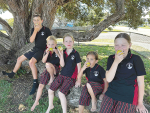
Fruit deliveries crucial to classrooms
Now in its 20th year, the Fruit in Schools (FIS) programme is playing an increasingly vital role in supporting children facing hunger.



 increase font size
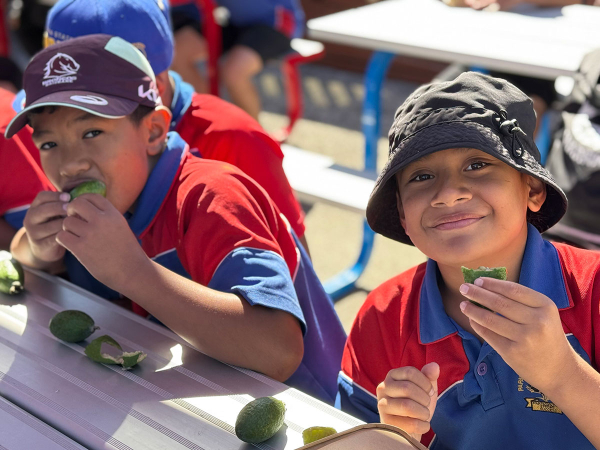 Around a quarter of all primary schools/kura in New Zealand receive the free produce.
As cost-of-living pressures continue to bite Kiwi households, the Fruit in Schools (FIS) programme is helping fuel learning and improve the health and wellbeing of 127,000 children and staff.
FIS is New Zealand's longest-running school-based nutrition and education programme.The programme supplies fresh fruit and vegetables to children at the start of every school day for breakfast or morning tea.
Approximately a quarter of all primary schools in New Zealand receive the free produce which specifically targets schools in low socio-economic areas to reach tamariki suffering material hardship.
Over 50% of FIS students are Māori and over 30% are Pasifika, both are groups disproportionately represented in child poverty statistics.
Daryl Aim, principal of Porirua's Natone Park School, says that being part of FIS ensures tamariki have daily access to fresh fruit to support their learning, wellbeing and health.
“This initiative helps students develop healthy eating habits, improves focus and energy levels in class and also encourages a positive attitude towards nutritious food," Aim says. "Fruit in Schools contributes to both the physical wellbeing and the academic success of our learners. Simply put, it is an amazing and essential component in the hauora of our students.”
Alongside the daily fruit offering, FIS also has an educational component.
The 5+ A Day Charitable Trust develops and provides curriculum-linked teaching resources that help explain why fresh fruit and vegetables are important for health and wellbeing, while also showing tamariki where their kai comes from. These resources are provided to all 565 participating schools and support practical classroom learning about healthy eating, seasonal produce and growing food.
The resources include a mix of print and digital materials aligned with the curriculum. Practical lesson plans and interactive activities are also provided such as seeds for school gardens, encouraging students to get outside, grow their own vegetables and develop a lifelong connection with fresh produce.
Packed with fibre, vitamin C and antioxidants, autumn fruit support immunity, digestion and sustained energy for growing tamariki. Eating in season ensures fruit tastes its best and is as fresh as possible, maximising the nutritional benefits. Enjoying locally-grown fruit also supports New Zealand growers and our regional communities who often depend on the success of horticultural crops for employment and income.
Now in its 20th year, the Fruit in Schools (FIS) programme is playing an increasingly vital role in supporting children facing hunger.

The Fruit in Schools programme will be expanded to include an extra 77 schools, benefiting an additional 13,000 students.


New Zealand's citrus growers have been told to compete on the value built into their fruit rather than the volume they grow.
Hawke's Bay fruit growers are being reminded of the need to prepare for whatever the El Niño weather system may bring in the coming months.
Three and a half years on from when Cyclone Gabrielle hit Hawke's Bay, some orchardists in the region are still receiving counselling to help them deal with the trauma they suffered.
South of the central Hawke’s Bay town of Waipukurau is Taniwha Station – a highly successful 550ha bull beef farming operation.
Beef + Lamb NZ funded research has shown that some simple changes to pasture management could help farmers make better use of rainfall and build resilience before dry conditions hit.
OPINION: There could hardly be a more appropriate theme for a conference than the one chosen by the red meat sector - Navigating Volatility.


OPINION: The same mainstream media muppets that brought you Jacindamania in 2017 have been flat out pimping for the Opportunities…
OPINION: Your old mate reckons the atrocious way farmers in the UK are treated by their lords and masters in…




