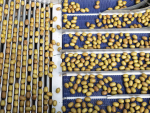
Seeka Posts Record $62m Profit as Zespri Lifts 2026 Forecast
More signs of a booming kiwifruit sector.




 increase font size
 Seeka chief executive Michael Franks.
In another sign of improving agribusiness sentiment, two listed companies have lifted their forecast earnings for the year.
Fruit grower and trader Seeka expects forecast full year earnings guidance at a profit before tax level of between $21 million and $25m. The forecast range compares to a loss of $21m last year.
Rural trader PGG Wrightson is forecasting earnings before interest, taxes, depreciation, and amortisation (EBITDA) of $51m for year ending June 2025, compared to $44m last year.
The company says that while sheep farmers are facing challenging market conditions with soft returns, there are however some positive indicators suggesting the start of a turnaround, including good quality yields in the horticulture sector.
Seeka, a major player in the hort sector, attributes its improved forecast to a clear strategy, excellent fruit quality and performance, efficiencies and margins across the business. The turnaround has prompted Seeka to declare a dividend of 10c/share to be paid on January 25, 2025.
Seeka chief executive Michael Franks notes that a full year dividend is normally paid in April.
This year the full year dividend has been varied to provide a quicker restoration of dividends and provide an earlier return on investment to Seeka's shareholders, he says.
Franks says the company has achieved a good year.
Over at PGW, chair Garry Moore notes that the rural servicing market in New Zealand remains relatively challenged.
"Geopolitical tensions are contributing to cautiousness in the market and a slower than expected recovery in New Zealand's key export market. China continues to dampen commodity prices," he adds.
Sheep farmers are facing challenging market conditions with soft returns. Flock numbers are estimated to have reduced by 4.3%, down to 23.3 million. However, he notes confidence returning to the dairy sector with Fonterra and other processors forecasting a milk price of $9/kgMS for the season.
More signs of a booming kiwifruit sector.

After delivering a strong financial year, rural trader PGG Wrightson says the coming months will depend on customer confidence and weather.
Strong competition and tightening supply have seen wool reach its highest prices paid at auction since 2011.
A firm belief in the agricultural sector has kept the PGG Wrightson business going for 175 years, says chief executive Stephen Guerin.
Seeka chief executive Michael Franks says while it's still early days in terms of the kiwifruit harvest, things are looking pretty good.


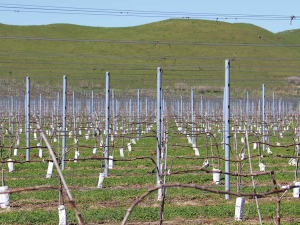
Hawke's Bay fruit growers are being reminded of the need to prepare for whatever the El Niño weather system may bring in the coming months.
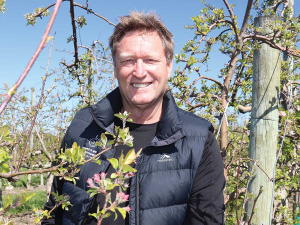
Three and a half years on from when Cyclone Gabrielle hit Hawke's Bay, some orchardists in the region are still receiving counselling to help them deal with the trauma they suffered.
South of the central Hawke’s Bay town of Waipukurau is Taniwha Station – a highly successful 550ha bull beef farming operation.
Beef + Lamb NZ funded research has shown that some simple changes to pasture management could help farmers make better use of rainfall and build resilience before dry conditions hit.
OPINION: There could hardly be a more appropriate theme for a conference than the one chosen by the red meat sector - Navigating Volatility.
When Northland leather worker Vernon Suckling started making horse saddles 50 years ago, quad bikes and side-by-side vehicles were unheard of.





OPINION: The same mainstream media muppets that brought you Jacindamania in 2017 have been flat out pimping for the Opportunities…
OPINION: Your old mate reckons the atrocious way farmers in the UK are treated by their lords and masters in…




