
PGG Wrightson Revenue Tops $1.1b as Profit Jumps 46%
After delivering a strong financial year, rural trader PGG Wrightson says the coming months will depend on customer confidence and weather.




 increase font size
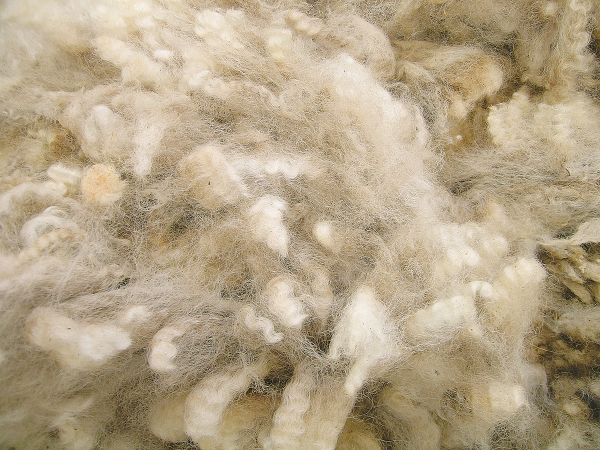 Industry initiatives are underway to unify fragmented efforts to return the industry to its former glory.
OPINION: Wool farmers believe the future of strong wool still holds promise.
Industry initiatives are underway to unify fragmented efforts to return the industry to its former glory. The Government is also signalling its support.
But for the wool sector to fully recover from its doldrums, farmer engagement is key.
That’s why the recent announcement by leading wool companies Wools of New Zealand and PGG Wrightson to work on improving logistics gives the wool sector new impetus.
As wool traders, both Wools of NZ and PGW have realised that operating half-empty shops is a loss for everyone – traders and farmers.
Wools of NZ, a farmer-owned co-operative, and PGW have decided to look at collaboration to reduce costs, improve asset utilisation and help secure a stronger future for wool growers and the sector.
Their decision to share logistics where appropriate is in response to the overcapacity across New Zealand’s wool logistics infrastructure following a long-term decline in production volumes, which has driven up operating costs. The move comes as the Wool Alliance is announced – wool industry organisations working together to revitalise the strong wool sector.
As Federated Farmers meat and wool chair Richard Dawkins points out, a move towards a more efficient supply chain is worth celebrating.
However, he quickly adds that this announcement is a discussion about efficiencies in a declining sector and controlling costs. Ideally, the sector would be celebrating market driven premiums, profitability across the supply chain and subsequent returns back behind farmgate.
Collaboration between wool means fewer half-empty wool stores, and better wool handling and the whole system becomes more efficient and cost-effective.
Wool farmers are hopeful that this initiative will save costs and improve grower returns.
And these cost savings can also be invested to realise higher value end uses and further supply chain efficiencies.
To progress as a sector, a combination of corporate and farmer profitability is essential and greater collaboration among key players will be key.
Let’s hope that this time the wool sector unites to deliver tangible benefits for all stakeholders.
After delivering a strong financial year, rural trader PGG Wrightson says the coming months will depend on customer confidence and weather.
Strong competition and tightening supply have seen wool reach its highest prices paid at auction since 2011.
A firm belief in the agricultural sector has kept the PGG Wrightson business going for 175 years, says chief executive Stephen Guerin.
Strong farmgate milk price is helping boost investment on farms, says PGG Wrightson chief executive Stephen Guerin.
Booming primary sector exports are helping lift earnings for farm service providers.


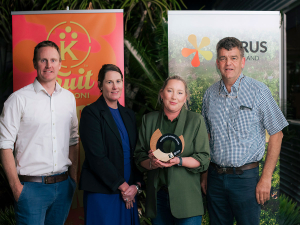
New Zealand's citrus growers were challenged to build their future on the value embedded in their fruit rather than the volume they produce, at Citrus New Zealand's annual gathering in Gisborne on 17 September.
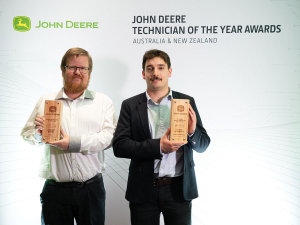
Leading John Deere technicians and apprentices from New Zealand and Australians were recognised at the recent sixth annual JD Technician of the Year Awards, held in Brisbane.
In Dacre, near Invercargill in New Zealand’s South Island, Bruce Dinnington is running a dairy operation unlike any other.
A free online platform aggregating governance vacancies across rural and regional New Zealand has been launched.
Environment Minister Nicola Grigg has announced details of a new rural plastics recycling scheme.
Agricultural drone operators say that a government decision to allow lower-risk drone work without certification won’t lower standards but drive innovation and efficiency.





OPINION: The same mainstream media muppets that brought you Jacindamania in 2017 have been flat out pimping for the Opportunities…
OPINION: Your old mate reckons the atrocious way farmers in the UK are treated by their lords and masters in…




