Farm Safety Improves Through 'Incremental Gain', Says Birkett
Improving health and safety is about incremental gain rather than a sudden decision, says Leeston farmer and Federated Farmers health and safety spokesman David Birkett.




 increase font size
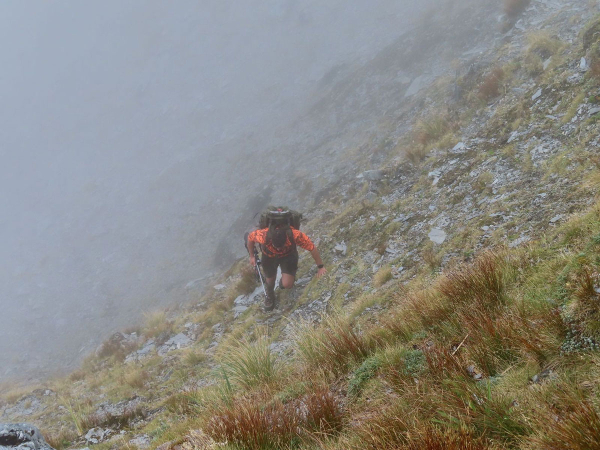 In the past five years, it has cost almost $30 million to support people to recover from hunting injuries in New Zealand. Photo Credit: Cam Furlong
The Roar is a highlight of the game hunting calendar in New Zealand, with thousands of hunters set to head for the hills to hunt male stags during March and April.
To ensure everything goes as planned and you get the most out of your hunt, ACC injury prevention leader James Whitaker says hunters need to 'Have a hmm' and think ahead before heading out.
In the past five years, it has cost almost $30 million to support people to recover from hunting injuries in New Zealand.
Whitaker says it's easy to get caught up in the excitement of the hunt and push your limits.
However, it's important to think things through well beforehand to avoid injury, he adds.
The NZ Mountain Safety Council (MSC) has developed a free 12-week guide to support hunters to get fit, and plan and prepare effectively for their hunt.
Whitaker says this approach will help reduce the risk of getting injured.
“It pays to start your fitness preparation early to ensure you’re in top shape for hunting,” he says. “Put in the groundwork early, start with walking, tramping, and shorter hunting trips. You can start small and build up slowly."
“Introduce strength work, this could be your pack’s weight or with weights at the gym.”
Hunting during the roar can involve covering steep and uneven terrain while carrying heavy loads, says Whitaker.
“Your level of fitness is crucial for both your enjoyment and safety.
“Good fitness reduces your risk of serious injury, improves your endurance, helps to keep you mentally sharp, and enables you to get more out of your hunt.”
In 2025, ACC received over 1,800 hunting related injury claims. It cost $6.5 million to support hunters recover from these injuries and return to work and independence.
“Many injuries are caused by slips and trips. You can prevent these by watching out for uneven ground and tree roots and wearing sturdy footwear for support.
“Know your own limits and the abilities of everyone in your hunting party. If you’re feeling fatigued, take a break and check in with your group. Always stick together and make decisions as a group.”
Before you head out, research your hunting area and plan ahead, says Whitaker.
MSC’s Plan My Walk app and website allows you to plan your route, build your trip plan and share it with an emergency contact.
“Before you head out, it’s critical that you tell a trusted person where you’re going and when you’ll be back so they can call for help if you’re not back on time,” says MSC Chief Executive Mike Daisley. “Plan My Walk makes this step easy.”
Injuries don’t just affect the injured person – there are flow on effects for your friends, family and workmates too, says Whitaker.
“Remember to ‘Have a hmmm’ - slow down, check your route, watch your footing, and assess terrain traps to avoid slips, falls, or dangerous detours.”
New Zealand’s weather can be unpredictable, so it pays to be well prepared, says Whitaker.
Check the forecast and keep an eye on the conditions on the hunt, he says.
“When checking the weather, use a forecast that’s specific to the exact area you’re heading into, so you know what conditions to expect.
“Checking forecasts for a nearby town won’t give you the information you need. Aotearoa New Zealand’s unique topography often causes huge variations in weather.”
Check your gear before you go and ensure you’re carrying the essentials, Whitaker says.
“A rain jacket, warm layers, a warm hat and gloves, emergency shelter, first aid kit, head torch, extra food and water, two forms of communication, and a device that makes it easy for people to find you should be the minimum.”
Have a Hmm this roar:
Improving health and safety is about incremental gain rather than a sudden decision, says Leeston farmer and Federated Farmers health and safety spokesman David Birkett.
ACC says that this week's Fieldays is a great chance for farmers to pause and reflect on their processes and ensure that their life is in balance.
What’s been a "rubbish" summer for campers and beachgoers has duck hunters in the lower North Island rubbing their hands together in anticipation of a bumper waterfowl season, which starts this weekend (May 2/3).
The Government has announced that ACC will be a sponsor of this year's FMG Young Farmer of the Year competition.
The National Wild Goat Hunting Competition has removed 33,418 wild goats over the past three years.


Fonterra has unveiled its annual results for the 2026 financial year, posting $27 billion in revenue and close to $20 billion returned to New Zealand farmer owners and unit holders.
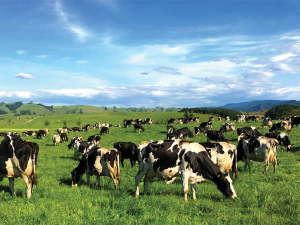
The first major update to the Dairy Cattle Code of Welfare in more than a decade has been released, marking what DairyNZ describes as an important step in ensuring animal welfare standards continue to evolve alongside scientific evidence and on-farm realities.
Ravensdown shareholders have elected Jane Montgomery and Kate Acland to the Ravensdown Board for three-year terms, following a closely contested director election.
Federated Farmers says new legislation replacing the Resource Management Act will cut red tape, unlock investment and help grow New Zealand's export-led economy, after the Planning Bill and Natural Environment Bill passed their third reading in Parliament yesterday.
Leading figures from the major political parties will be questioned on their primary sector policies at the Rural Issues Debate at Mystery Creek Events Centre, Hamilton, on 30 September.
OPINION: Have a plan in place now!




OPINION: The same mainstream media muppets that brought you Jacindamania in 2017 have been flat out pimping for the Opportunities…
OPINION: Your old mate reckons the atrocious way farmers in the UK are treated by their lords and masters in…




