Resistant pests a global problem for ag sector
A major global challenge for the agricultural industry is pesticide resistance. A resulting loss of pesticide options can be costly and environmentally harmful.
 increase font size
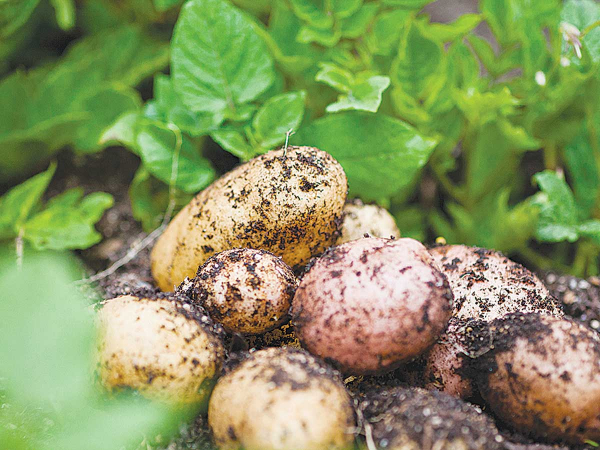 A new pesticide to combat parasitic worms in carrots, kumara, parsnips, and potatoes has been approved for use in New Zealand.
A new pesticide to combat parasitic worms in carrots, kumara, parsnips, and potatoes has been approved for use in New Zealand.
Plant-parasitic worms, or nematodes, are considered a major risk to root vegetables, with producers sometimes experiencing complete crop failure from the damage they cause.
The applicant, Adama New Zealand Limited, says it’s product Nimlitz will be an important tool to ensure the economic viability of these crops.
“EPA staff conducted comprehensive risk assessments and found the risks to people and the environment to be negligible, with appropriate rules in place,” says Dr Lauren Fleury, hazardous substances applications manager.
“Nimlitz is restricted to commercial use by professionals, and is a less hazardous alternative to fenamiphos-containing substances that are currently used. It will help reduce risks to workers, the soil, and the environment.”
The product contains the active ingredient fluensulfone, which is new to New Zealand but has been approved for use in various countries, including Australia, Canada, Japan, the United States, India and Brazil.
A major global challenge for the agricultural industry is pesticide resistance. A resulting loss of pesticide options can be costly and environmentally harmful.

With summer almost here, one of New Zealand's most serious pasture pests, porina (pictured), is coming out of the soil to mate and scatter vast numbers of eggs, costing farmers millions.



LIC shareholders have elected a new North Island representative to the co-operative's Board, along with five representatives to its Shareholder Reference Group (SRG), following the company's Annual Meeting held in Invercargill.
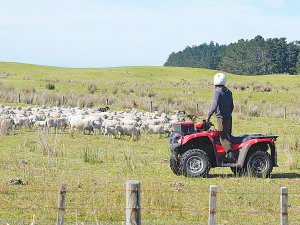
Farmers across parts of Southland and South Otago are continuing to deal with difficult conditions after a prolonged run of wet weather, with pressure building around feed supply, stock management, pasture damage, farm infrastructure and everyday workloads.
Federated Farmers says it welcomes Labour's commitment to reviewing the Sharemilking Agreements Act, calling on other major parties to do the same.
For Canterbury dairy farmers Sian Meijer and Rick Wobben, wearable technology has become one of their most valuable on-farm tools - helping manage 1850 cows across an expansive, high-performing dairy operation while improving efficiency, mating outcomes and day-to-day decision making.
Fonterra has unveiled its annual results for the 2026 financial year, posting $27 billion in revenue and close to $20 billion returned to New Zealand farmer owners and unit holders.
The first major update to the Dairy Cattle Code of Welfare in more than a decade has been released, marking what DairyNZ describes as an important step in ensuring animal welfare standards continue to evolve alongside scientific evidence and on-farm realities.