A US-based company developing a vaccine to reduce methane emissions in cattle has received another capital injection from New Zealand’s agriculture sector.
ArkeaBio is considered one of the leaders in the global race to develop a methane vaccine for livestock and it’s offering could benefit New Zealand’s pasture-based farmers.
AgriZeroNZ, a joint venture between the NZ government and agribusinesses, has followed up its initial investment of $10 million last year with a $6m injection last month.
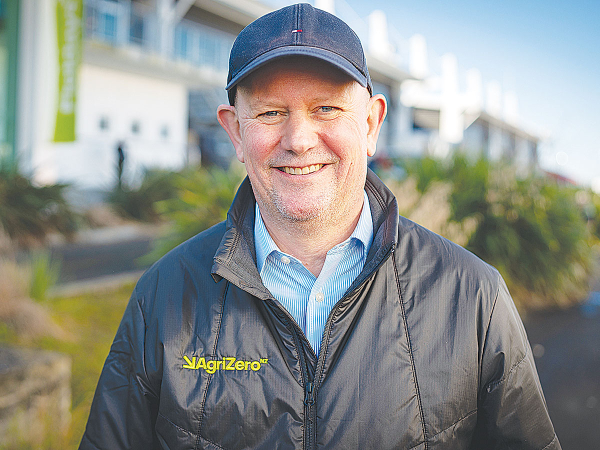
AgriZeroNZ chief executive Wayne McNee says its follow-on investment recognises ArkeaBio’s progress and the immense potential.
“A vaccine has the potential to reduce agricultural emissions at scale by providing a low cost, high-impact solution for a range of farming systems,” says McNee.
“As an export-reliant country, New Zealand farms need to stay ahead of the curve and step up to the challenge of meeting the global demand for climate action.
“We’re pleased to continue backing ArkeaBio as part of our efforts to provide Kiwi farmers with a toolkit of options to reduce emissions and retain access to high-value markets.”
Read More:
Since AgriZeroNZ’s initial in 2024, ArkeaBio has made significant scientific progress, says McNee.
The company has been working with researchers at Texas A&M University, with trials showing ArkeaBio’s vaccine successfully reduces methane emissions from cattle. The vaccine works by stimulating a cow’s immune system to produce natural antibodies that neutralise methane-producing microbes in the rumen (a part of the stomach).
Newly appointed chief executive Frank Wooten says the team has advanced to a second- generation vaccine formulation, focusing on increasing commercial viability and animal productivity.
“With our vaccine advancing toward realworld deployment, we’re focused on delivering measurable emissions reductions, as well as tangible value to farmers and producers worldwide.”
Wooten says the company is aiming to produce a vaccine that’s effective for 6 months or more and is on track to achieve its target methane reduction of 20%.
He says the new funding from AgriZeroNZ will allow ArkeaBio to continue refining its vaccine and carry out further animal trials, including its first in New Zealand.
“We’re prioritising making our vaccine available to New Zealand farmers and are hoping to launch the first product in 2028,” he says.
During visits to New Zealand, ArkeaBio has met with ministers and a range of AgriZeroNZ’s investors, including the Ministry for Primary Industries, to discuss its path to market.
“New Zealand’s special combination of public- private collaboration, and track record of agricultural innovation make it an ideal place for us to launch,” says Wooten.
“Trialling our vaccine in New Zealand is an exciting next step to prove its effectiveness and safety in the pastoral farming conditions. We’re excited to have AgriZeroNZ’s support to bring this solution to farmers.”