BVD Control Begins Long Before You See A Problem
Bovine Viral Diarrhoea (BVD) is sometimes viewed as a dairy industry issue, but the reality is that the disease can have serious consequences for beef breeding herds as well.
 increase font size
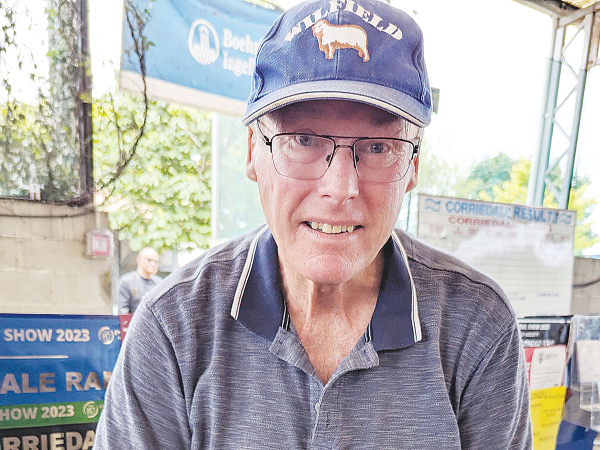 Corriedale breeder Robin Wilson shows the depth and quality of fleece of one of his winning entries at the 2023 NZ Agricultural Show. Photo Credit: Nigel Malthus
Successfully breeding what they call their "Corriedale 2.0" sheep is paying dividends for Robin and Pip Wilson of Wilfield Stud, West Melton.
Rural News caught up with Robin Wilson at last year's NZ Agricultural Show in Christchurch, where his animals won a slew of ribbons.
The Wilsons established Wilfield in 1992. Rather than chase the vagaries of the market with specialist wool or meat animals, they went with Corriedale as a good dual purpose breed. They have aimed to improve their flock towards a finer fleece while maintaining carcass quality.
Wilson says some of his show animals carried wool of only 24 or 25 microns, albeit not as fine as the 18 to 20 micron wool from a Merino.
"But you get a better carcass with these sheep with more meat on them," he explains. "And the quality of the meat is highly valued. The market pays a premium for it because of the intramuscular fat and the colour and the tenderness of the meat."
Wilson believes they have succeeded in breeding what they call "Corriedale 2.0", their version of a "more modern" Corriedale. He says their sheep have a more open face, better fertility, finer wool, better mothering ability and are more footrot resistant.
"We've made great progress in the last few years and we've had lots of compliment about what we're doing," Wilson adds. "Generally, in the sheep industry, it's very hard to put fine wools on a good-carcased animal. I think we've been able to do that."
The Wilsons use traditional breeding practices of good stockmanship with modern technilogies of objective measurement and analysis (Sheep Improvement Ltd) and gene marker technology (footrot, extra muscling, cold tolerance and worm resistance) to identify the most productive and profitable animals for meat and wool production.
Meanwhile, Wilson agrees that farming is difficult at the moment with all farmers struggling with low commodity prices, higher interest rates and higher input costs.
"So, what farmers do is just batten down the hatches and they don't spend any money. They're in survival mode," he says.
It's been going on for about a year now and appears likely to continue.
"It'll be a year or two more. That will be a real challenge. And if El Nino kicks in, which it is forecast to do, but hasn't yet, then it'll be a real challenge for most pastoral farmers."
But Wilson says he is realistic rather than pessimistic.
Bovine Viral Diarrhoea (BVD) is sometimes viewed as a dairy industry issue, but the reality is that the disease can have serious consequences for beef breeding herds as well.

Animal health company Bovonic is gearing up for its next stage of growth after increasing New Zealand sales of QuadSense by more than 50% in the last 12 months, including a record quarter for the business this year.
With lambing underway in many regions, Beef + Lamb New Zealand is encouraging farmers to put together a wellequipped lambing kit to help minimise lamb losses, particularly in bad weather.
Bovine Viral Diarrhoea (BVD) remains one of the most significant infectious diseases affecting New Zealand dairy herds.
Bovine Viral Diarrhoea (BVD) is sometimes viewed as a dairy industry issue, but the reality is that the disease can have serious consequences for beef breeding herds as well.


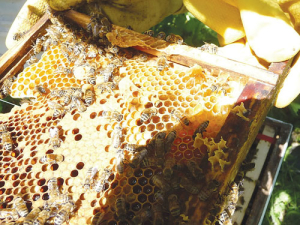
New Plymouth-based Manuka honey exporter Egmont Honey has completed its acquisition of Taihape beekeeping business Tweeddale's Honey, with settlement finalised on Friday, 18 September.

Westpac NZ is calling on farmers and growers to start preparing now for the possibility of a dry summer, as likely El Niño conditions raise the risk of drought across parts of the country.
Fonterra Co-operative Group has confirmed the independently assessed candidates standing for election to its board in 2026.
Fonterra has revised its Farmgate Milk Price forecast for the 2026/27 season, lifting the midpoint and narrowing the range on the back of improving global dairy commodity prices.
New Zealand's citrus growers were challenged to build their future on the value embedded in their fruit rather than the volume they produce, at Citrus New Zealand's annual gathering in Gisborne on 17 September.
Leading John Deere technicians and apprentices from New Zealand and Australians were recognised at the recent sixth annual JD Technician of the Year Awards, held in Brisbane.