
Getting sheep shape at Pyramid Farm
The vineyards at Pyramid Farm in Marlborough’s Avon Valley have never been run of the mill, with plantings that follow the natural contours of the land, 250 metres above sea level.
 increase font size
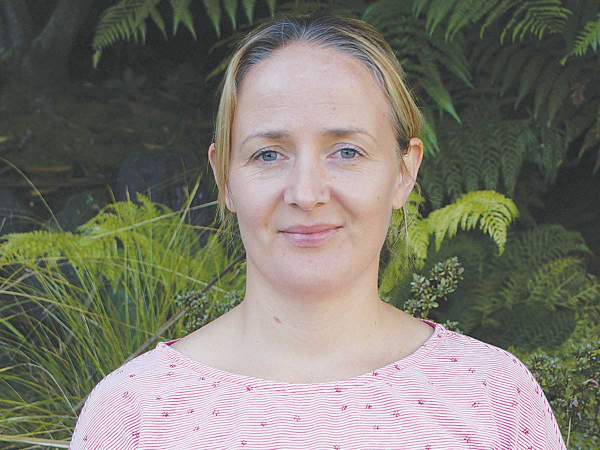 Abi Chase.
Extreme weather conditions are increasing the twin risks of internal parasites and fly strike on sheep.
While the bottom of the South Island deals with extraordinary amounts of rain this summer, farmers in much of the rest of New Zealand face the other extreme as feed supplies dwindle under an extended and intense dry period.
Boehringer Ingelheim New Zealand’s veterinary parasitologist Dr Abi Chase is cautioning farmers this summer’s weather pattern poses a blend of high risk factors requiring careful management in coming weeks.
“We are seeing average pasture cover start to come under pressure from lambs lifting their grazing intake and competing more alongside ewes.”
Without enough grass to dilute worm populations, it becomes critical to keep worm populations in lambs down, reducing the risk of worm contamination of pasture before the next summer grazing rotation, where cover may be even shorter again.
“Meantime the intermittent rainfall we have experienced is more than enough to boost parasite larval growth rates – on a lower pasture cover it means the higher parasite levels are concentrated within that lower pasture cover.
“Parasite management when it is drier is a huge thing, particularly when we are getting smaller showers of rain falling irregularly.
“Only 5mm of rain is more than enough to boost L3 larvae to come up onto the pasture and be ingested.”
Fighting worms is best managed with good data on the worm enemy, and faecal egg counts (FEC)s are the best way we currently have to better understand that enemy.
“We witnessed a big surge in FEC samples through labs last season, and want to keep that momentum up.
“Getting an FEC in summer means you are not just checking worms from the leftover contamination of ewes, you are instead getting an idea of what parasite challenge the lambs have been under,” says Chase.
Knowing this and working with your vet means a comprehensive programme can be put in place that will protect the productivity of an increasingly valuable lamb flock.
Incorporating internal parasite control with fly control over summer also makes sense, not only for saving time and yarding but also because acting on one helps reduce the risk of the other.
“You need to consider an effective internal parasite control alongside fly control, helping reduce dagging, which are a risk to maggot infestations.”
Flystrike is an ever increasing risk as average summer temperatures climb, and the humidity that accompanies intermittent rainfall helps boost fly larval populations quickly.
There are also few parts of New Zealand where the Australian blow fly has not penetrated, bringing a need for some farmers to completely revise their summer parasite control programmes.
The fly’s potential resistance to traditional treatment chemicals like triflumuron has only brought greater urgency for more farmers to revise their programme.
Boehringer Ingelheim Animal Health has integrated its Cyromazine based product Cyrazin with ivermectin to create Cyrazin KO as an effective “one stop” maggot and fly control treatment for summer.
The vineyards at Pyramid Farm in Marlborough’s Avon Valley have never been run of the mill, with plantings that follow the natural contours of the land, 250 metres above sea level.

Sheep and cattle numbers continue to decline, and this year's drought hasn't helped, according to Beef + Lamb New Zealand (B+LNZ).
Warm summer weather heightens the risk of flystrike.
High quality feed, reduced stocking rates and shelter will all help enhance triplet lamb survival and ultimately benefit the bottom line.
Tiny nanoparticles less than a thousandth of a millimetre in size are providing a promising new method to protect sheep against flystrike, according to University of Queensland research.



State farmer Pamu has delivered its strongest operating result on record.
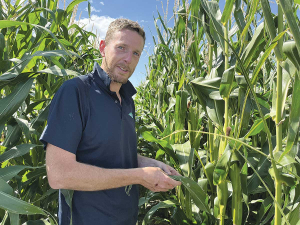
Four years since it was first detected in New Zealand, researchers and growers now know much more about management of maize pest fall armyworm (FAW).
The Government has announced it will pause key parts of Waikato Plan Change 1 (PC1) in a decision that is set to give Waikato farmers a reprieve from new consenting and farm-planning requirements while the wider resource management system is overhauled.
OPINION: The time has come for the Government to back the organic sector.
Plan ahead and be patient. That’s the message to farmers and horticulturalists from the chairman of the NZ Agricultural Aviation Association, Kent Weir.
The industry is crying out for graduates with agricultural related degrees.