Mainland winning sheep measles battle
It appears that South Island farmers are currently achieving greater success than their northern colleagues in controlling Taenia ovis or sheep measles.
 increase font size
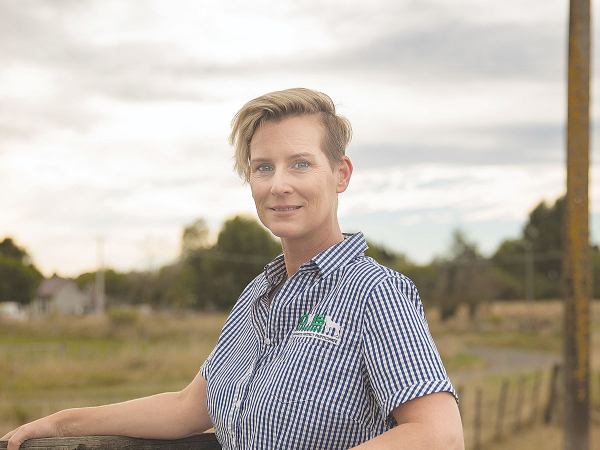 Michelle Simpson, project manager for the Ovis Management programme.
Farmers are being urged to keep on top of measures to control Cysticerus ovis - or sheep measles - following a spike in infection rates.
Michelle Simpson, project manager for the Ovis Management programme, said data for carcases processed across the country during October found 1.21% were recorded as being infected.
Ovis or sheep measles is caused by the Taenia ovis tapeworm. Although it poses no risk to human health, it can cause blemishes in sheep meat, which is undesirable for consumers and particularly for the export market.
"Usually, the prevalence of affected carcases sits at between 0.45 and 0.55 per cent and anything over one per cent is concerning," says Simpson.
"October was the first month of the new C. ovis management season and we do expect the figures to come down but we are also seeing it occurring from farms that have not had it before.
"It is really important that farmers keep up to date with regularly dosing all dogs on farm with the required tapeworm treatments and also ensure any visiting dogs or hunting dogs have been treated at least 48 hours before coming on farm."
The best practice for dog health and to manage the risk of sheep measles is for all farm dogs to be treated monthly with cestocidal (tapeworm) drugs containing the ingredient Praziquantel - a cheap and effective treatment - and an All Wormer every three months.
Simpson said there was no obvious cause for the spike in cases, but warm wet weather across much of the country had provided ideal conditions for the C. ovis parasite to thrive.
"Keeping to that regular dosing routine is really critical because the C. ovis tapeworm eggs can survive on pasture for up to 300 days," she says.
"It is not enough to dose your dogs and think 'that's it'."
Dogs become infected with the tapeworm by eating untreated meat or offal infected with live cysts. C. ovis is then spread to sheep through tapeworm eggs in dog faeces left in grazing areas. Eggs can also be spread from dog faeces over large areas, mainly by flies.
Raw sheep or goat meat should also be frozen to -10°C or below for at least 10 days or cooked thoroughly before being fed to dogs.
Further measures to control sheep measles include preventing town and roaming dogs from accessing grazing areas and disposing of dead livestock quickly and appropriately.
For more information and to view the C. ovis prevalence map showing data for all regions, visit www.sheepmeasles.co.nz
It appears that South Island farmers are currently achieving greater success than their northern colleagues in controlling Taenia ovis or sheep measles.

South Island farmers are currently achieving greater success than those in the North in controlling Taenia ovis (sheep measles), according to the latest analysis by the Ovis Management programme.
The Ovis Management programme, which works to promote control of sheep measles across New Zealand, has appointed a new project manager.
Now is the time for sheep farmers to start warning their Christmas visitors that dogs need to be dosed for sheep measles or be left behind says Dan Lynch, project manager of Ovis Management Ltd.



LIC shareholders have elected a new North Island representative to the co-operative's Board, along with five representatives to its Shareholder Reference Group (SRG), following the company's Annual Meeting held in Invercargill.
Farmers across parts of Southland and South Otago are continuing to deal with difficult conditions after a prolonged run of wet weather, with pressure building around feed supply, stock management, pasture damage, farm infrastructure and everyday workloads.
Federated Farmers says it welcomes Labour's commitment to reviewing the Sharemilking Agreements Act, calling on other major parties to do the same.
For Canterbury dairy farmers Sian Meijer and Rick Wobben, wearable technology has become one of their most valuable on-farm tools - helping manage 1850 cows across an expansive, high-performing dairy operation while improving efficiency, mating outcomes and day-to-day decision making.
Fonterra has unveiled its annual results for the 2026 financial year, posting $27 billion in revenue and close to $20 billion returned to New Zealand farmer owners and unit holders.
The first major update to the Dairy Cattle Code of Welfare in more than a decade has been released, marking what DairyNZ describes as an important step in ensuring animal welfare standards continue to evolve alongside scientific evidence and on-farm realities.