Cameron Henderson Reappointed Unopposed as DairyNZ Deputy Chair
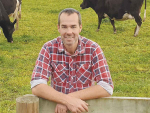
DairyNZ deputy chair Cameron Henderson has been re-appointed unopposed for another term.
 increase font size
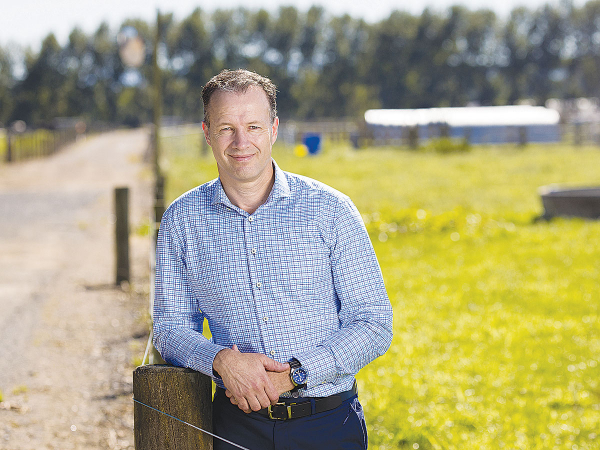 DairyNZ chief executive Tim Mackle believes the new Centre for Climate Action on Agricultural Emissions will accelerate technology and tools to really drive further farm emissions reductions.
DairyNZ chief executive Tim Mackle says reducing agricultural greenhouse gas emissions "is a tough nut to crack".
Mackle says work is continuing to find additives, genetics and vaccines for New Zealand farming systems.
He says the Government's R&D commitment of $339 million to reduce farm emissions is "a shot in the arm" and will help Kiwi dairy farmers remain high-performing.
Mackle told Rural News that there has been progress and some technology close to being available.
"There are some serious candidates for our pasture-based system. But because Kiwi dairy farmers are already so efficient, there's no silver bullet," he adds.
"We need new high-impact technologies and to accelerate their uptake to continue reducing our environmental footprint, while enabling farmers to run successful businesses."
Mackle notes that DairyNZ has worked with the Government to ensure they understand the scale of the climate change challenge affecting farmers, and the opportunity to remain world-leading sustainable dairy producers.
"DairyNZ has advocated strongly for Government to invest significantly more in supporting the sector to play its part to address climate change."
He says the $339m fresh funding is a step in the right direction to accelerate the development of new technology needed on-farm as soon as possible, and to support farmers to adopt these tools.
"We'll continue to advocate for how this R&D funding is invested, as new solutions develop. This will bring the best outcomes for farmers and New Zealand into the future," says Mackle.
Kiwi dairy farmers already have the world's lowest carbon footprint for on-farm milk production and want to retain that competitive advantage - to continue contributing for their families, the economy and local communities.
"We already have a world-leading position with low carbon dairy and a world-first emissions reduction plan in He Waka Eke Noa.
"This new increased investment will help dairy improve out position even further."
Mackle says the dairy sector, including DairyNZ, is investing in a range of research into new solutions, including methane inhibitors and low methane feeds. He adds it is also working together on ways to adapt overseas technology solutions to New Zealand farming systems.
"The sooner we get new technology for farmers, the sooner we will meet our goals," says Mackle.
Mackle also welcomed the establishment of the new Centre for Climate Action on Agricultural Emissions.
"It will accelerate the development of technology and tools to really drive further emissions reductions by the ag sector," he says.
DairyNZ deputy chair Cameron Henderson has been re-appointed unopposed for another term.
Farms across the upper North Island are trialling different pasture mixes as part of a research programme that aims to build greater resilience into farming systems.
Election years are always a concerning time for farmers, according to DairyNZ chair Tracy Brown.
Most dairy regions around the country have had a pretty good season so far says Tracy Brown.


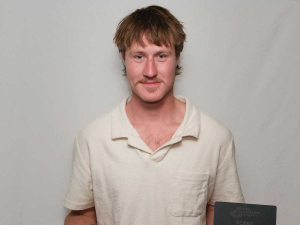
Now in its fourth year, the 2026 Fencing Industry Awards, formed part of the proceedings of the FCANZ Conference, held in Nelson during August.
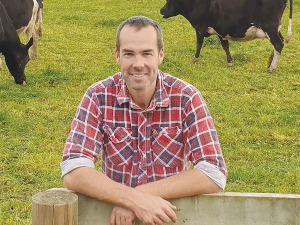
DairyNZ deputy chair Cameron Henderson has been re-appointed unopposed for another term.
OPINION: The stats speak for themselves.
Farms across the upper North Island are trialling different pasture mixes as part of a research programme that aims to build greater resilience into farming systems.
Election years are always a concerning time for farmers, according to DairyNZ chair Tracy Brown.
The Ballance Farm Environment Awards are coming to the West Coast of the South Island.