Naki unveils the world’s most expensive manuka honey
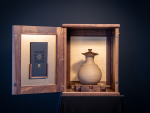
Naki Honey, a New Zealand manuka apiary company, has crafted what is believed to be the world's most expensive honey.
 increase font size
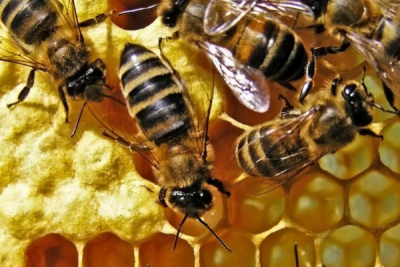
“Myrtle rust is top of mind for our industry and along with a local view from the Ministry for Primary Industries, we will hear from our Australian counterparts on their experience to help us understand the potential impact for our industry,” says Karin Kos, Apiculture New Zealand chief executive and member of the conference steering committee.
The conference has attracted leading international speakers including Randy Oliver, renowned researcher and Northern Californian commercial beekeeper. Oliver will speak on international beekeeping trends, bringing his unique perspective on the changing times for beekeeping.
The conference will also hear from Dr Yves Le Conte, Director of the French National Bee Lab (l’Institut National de la Recherche Agronomique, INRA), at Avignon. Dr Le Conte’s lab has collaborated with others to define the natural resistance of bees to pathogens and mites, especially varroa.
Each brings a wealth of knowledge on their chosen subjects, something those involved in the beekeeping and honey industry will not want to miss in the three day event from July 9 to 11.
Last year, more than 1200 apiculture enthusiasts attended the national conference at the Energy Events Centre, on the shores of Lake Rotorua, with similar numbers expected this year. Hobbyist and commercial beekeepers, honey packers and anyone with an interest in apiculture from all around the country have registered their attendance.
Kos says as the industry continues to grow so does the popularity and size of the conference.
“Ours is a multi-million dollar a year-plus industry and this conference will be a chance for delegates and stakeholders to discuss some of the big picture issues and opportunities facing the sector.”
As well as the vast amount of knowledge and information available from presenters, the conference also supports a substantial “Trade Buzz” exhibition, with over 120 industry stands, something not to be missed.
Naki Honey, a New Zealand manuka apiary company, has crafted what is believed to be the world's most expensive honey.
The message for the 2025 World Bee Day is a call to action for sustainable practices that support bees, improve food security, and protect biosecurity in the face of mounting climate pressures.
The agency charged with controlling the serious bee disease American Foul Brood (AFB) has defended itself against criticism from a North Canterbury beekeeper who was recently ordered to destroy equipment following a find of AFB spores in his storage shed.
Hortplus and Plant & Food Research have upgraded the Myrtle Rust Climate Model with new modelling that gives plant producers real-time spray management advice, based on the actual sprays they use in their nursery.
The Ministry for Primary Industries (MPI) have released a handbook offering guidance on how to plant strategically to feed bees.

Farmer-owned fertiliser company, Ballance Agri Nutrients is welcoming National’s plan to negotiate security agreements with key supplier countries to protect New Zealand-bound products from export restrictions and greater supply chain certainty.

Carrfields has announced the appointment of Stu Hall to the newly created role of chief operating officer, Carrfields Ltd, reflecting the continued growth of their agribusinesses and the need to ensure the company has the leadership capacity and support in place as it pursues the emerging opportunities ahead.
New Zealand's role is not to compete with Indian growers, according to NZ Apples and Pears.
The potato industry is celebrating the success of two rising stars - James Blair, the 2026 Young Grower of the Year and runner-up and innovation award winner, Amber Davy.
Twenty-eight emerging leaders from across the horticulture sector spent two days last month learning valuable skills and connecting with industry experts.
There are five entrants in this year’s Young Horticulturist of the Year, competing in a series of technical, practical, business and leadership challenges.