Wednesday, 25 June 2025 18:34

Feds meat and wool chair voted off

Written by 
Toby Williams Toby Williams

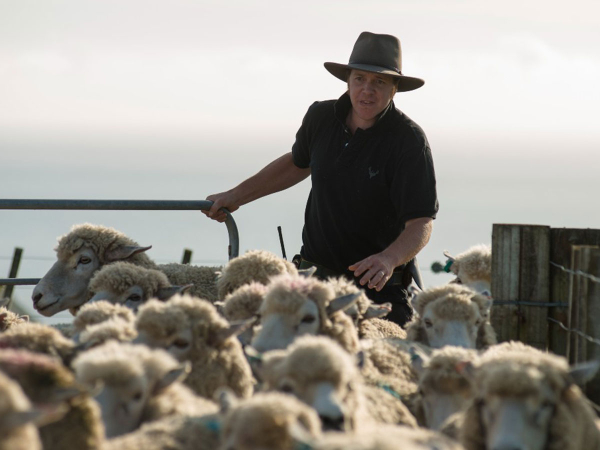
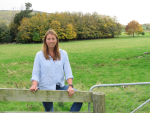
In a surprise move, Federated Farmers meat and wool group has dumped its chair Toby Williams.

The Gisborne farmer lost the chairmanship to Marlborough provincial vice president Richard Dawkins during the council annual meeting in Christchurch this afternoon. Dawkins had a mounted a challenge.

Williams had chaired the group since November 2002. Normally, Feds executives serve a minimum of three years in a role.

He was leading the Feds’ ‘Save our Sheep’ campaign, calling for urgent action to halt the collapse of New Zealand’s sheep industry. The campaign claimed that each year the sector is losing tens of thousands of hectares of productive farmland - where sheep and lambs once grazed, pine trees are taking their place.

Williams also loses his seat as a board member – three of the Feds’ six group chairs are elected to serve on the board. Three board members will be chosen at Feds’ annual meeting in Christchurch tomorrow morning.

Willaim’s dumping means there will be two new board members on the national executive. Federated Farmers dairy chair and national board member Richard McIntyre stepped down after serving three years in the role.

North Canterbury provincial president Karl Dean is the new national dairy chair. He was elected unopposed after Waikato president Phil Sherwood withdraw his nomination at the last minute.


More like this

Federated Farmers Welcomes RMA Replacement Passing

Federated Farmers says new legislation replacing the Resource Management Act will cut red tape, unlock investment and help grow New Zealand's export-led economy, after the Planning Bill and Natural Environment Bill passed their third reading in Parliament yesterday.

Arable ROI Crisis: Why Canterbury Farmers Are Moving On

Mid Canterbury Federated Farmers arable chair, Bevan Lill, said Beef + Lamb NZ data indicated that for the last six years, the average arable return on investment was about 0.8% while inflation ran about 4% - so the average arable farm was going backwards at about 3% a year.

Featured

Southland Farmers Face Wet Weather Toll, Support Available

Farmers across parts of Southland and South Otago are continuing to deal with difficult conditions after a prolonged run of wet weather, with pressure building around feed supply, stock management, pasture damage, farm infrastructure and everyday workloads.

How Wearable Tech Powers This 1,850-Cow Dairy Farm

For Canterbury dairy farmers Sian Meijer and Rick Wobben, wearable technology has become one of their most valuable on-farm tools - helping manage 1850 cows across an expansive, high-performing dairy operation while improving efficiency, mating outcomes and day-to-day decision making.

New Dairy Welfare Code Released, Takes Effect 2027

The first major update to the Dairy Cattle Code of Welfare in more than a decade has been released, marking what DairyNZ describes as an important step in ensuring animal welfare standards continue to evolve alongside scientific evidence and on-farm realities.

National

Machinery & Products

» Latest Print Issues Online

The Hound

'LinkedIn Greens'

OPINION: The same mainstream media muppets that brought you Jacindamania in 2017 have been flat out pimping for the Opportunities…

UK Warning

OPINION: Your old mate reckons the atrocious way farmers in the UK are treated by their lords and masters in…

» Connect with Rural News

» eNewsletter

Subscribe to our weekly newsletter