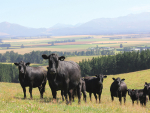
BVD Control Begins Long Before You See A Problem
Bovine Viral Diarrhoea (BVD) is sometimes viewed as a dairy industry issue, but the reality is that the disease can have serious consequences for beef breeding herds as well.
 increase font size
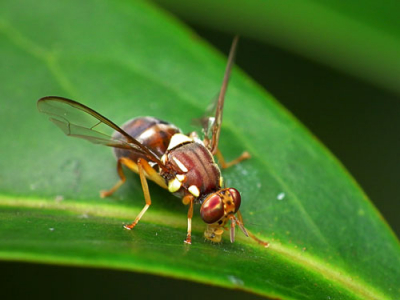 A Queensland fruit fly.
A single male Queensland fruit fly has been found in a surveillance trap in the Auckland suburb of Devonport.
The fly was collected from a fruit fly trap and formally identified on Thursday afternoon.
Biosecurity New Zealand spokesperson Dr Catherine Duthie says the find does not mean New Zealand has an outbreak of fruit fly.
The Queensland fruit fly has been detected six times before in northern New Zealand – in Whangarei and in Auckland. Of these detections, only one, in Auckland in 2015, turned out to be a part of a wider breeding population and this was successfully eradicated by Biosecurity New Zealand.
Duthie says the team has responded swiftly and field crews are starting work today setting additional fruit fly lure traps to determine if other flies are present in the area.
“It is vital to find out if this insect is a solitary find or if there is a wider population in Auckland that will need to be destroyed.
“If it established here, the Queensland fruit fly could have serious consequences for New Zealand’s horticultural industry. It can damage a wide range of fruit and vegetables and could lead to restrictions on trade in some of our horticultural exports.”
Biosecurity New Zealand is working closely with international trading partners and GIA partners in the horticultural industry to minimise the risk to New Zealand growers and exporters.
As a precautionary measure, restrictions will be soon be put in place on the movement of fruit and vegetables out of the area. Instructions to the public about these controls and the exact area affected will be issued shortly.
A brochure with information about the fruit fly and controls will go to homes in the area later today.
“We will be working closely with the local community as we have found from past experience that public support is vital to success.
“In the meantime we ask people who live in Devonport not to move any fruit or vegetables from their homes,” Duthie says.
“You may notice increased activity in the neighbourhood as we go about inspections and trapping. Our inspectors will seek permission to investigate fruit trees on your property if required.”
The most likely way that fruit flies can arrive in New Zealand is in fresh fruit and vegetables. Biosecurity New Zealand has strict requirements on the importation of fruit and vegetables to minimise this risk. Air and sea passengers are prohibited from bringing fresh fruit and vegetables into the country. Biosecurity New Zealand has to date been highly successful in keeping this insect threat out of New Zealand crops.
“This latest find demonstrates the benefit and effectiveness of MPI’s lure-based surveillance trapping network and the biosecurity system. The network involves some 7500 traps set nationwide and checked regularly,” Duthie says.
“By setting traps for these pest insects, we are able to find them early, have assurance about exactly where the problem is located and respond faster and more effectively where finds are made.”
Bovine Viral Diarrhoea (BVD) is sometimes viewed as a dairy industry issue, but the reality is that the disease can have serious consequences for beef breeding herds as well.

Election years are always a concerning time for farmers, according to DairyNZ chair Tracy Brown.
Testing confirms H5 bird flu in a single northern giant petrel, found dead on a remote Cape Palliser beach in the Wairarapa, says Dr Mary van Andel, the Ministry for Primary Industries' (MPI) Chief Veterinary Officer.
Bovine Viral Diarrhoea (BVD) is sometimes viewed as a dairy industry issue, but the reality is that the disease can have serious consequences for beef breeding herds as well.
Four years since it was first detected in New Zealand, researchers and growers now know much more about management of maize pest fall armyworm (FAW).


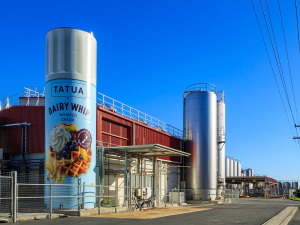
Waikato milk processor Tatua has again declared a record milk payout to farmer shareholders, leaving other processors in the dust.

A Labour-led Government won’t be bringing back the controversial freshwater rules of 2020.
National’s much-touted free trade deal with India featured in the Rural Issues Debate at Mystery Creek, Hamilton on Wednesday night.
New Zealand's 2026-27 freshwater fishing season has opened, with anglers encouraged to head to rivers and lakes over the coming days as conditions look favourable across much of the country.
Central Otago District Council (CODC) has voted against a plan to spread treated sewage sludge from Cromwell and Alexandra on farmland near Lauder, a decision Federated Farmers says reflects strong opposition from rural residents.
Pāmu has released its FY26 Integrated Annual Report, reporting a Net Operating Profit of $113 million, more than double the $49 million recorded in FY25.