
James Blair Named 2026 Young Grower National Champion
James Blair, an agronomist for AS Wilcox and the Pukekohe regional champion, has won the 2026 Young Grower national title.
 increase font size
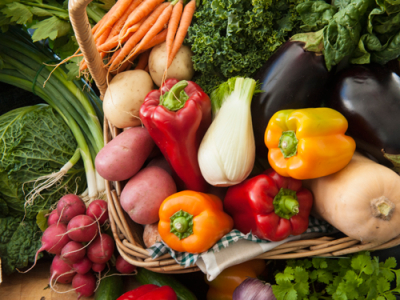 Australia’s revised nation-wide Horticulture Code will include the potential for penalties of up to A$54,000.
Australia’s revised nation-wide Horticulture Code will include the potential for penalties of up to A$54,000 when it comes into effect on April 1, 2017.
The Horticulture Code is a mandatory industry code under the Australian Competition and Consumer Act, which sets out the minimum requirements for agents and traders in their dealings with fruit and vegetable growers. It was first introduced in 2006, in response to industry concerns about anticompetitive behaviour and poor commercial practices in fresh fruit and vegetable markets in Australia.
A 2015 review of the code identified a number of major deficiencies and loopholes, which the revised code seeks to address.
“Farmers producing fruit and vegetables will be given increased protection under the Horticulture Code as it improves competition and commercial practices in fresh fruit and vegetable markets in Australia,” ACCC Commissioner Mick Keogh says.
Traders and agents will be required to provide clear documentation of their general trading terms, and to have written agreements in place with their farmer clients, to avoid much of the commercial uncertainty that currently exists in these markets.
The revised code also removes the provision in the existing code that exempted all pre-existing trading agreements, and which meant it did not apply to the majority of trade occurring in the sector.
“From 1 April 2018, the Code will apply to all transactions between farmers and agents or merchants, regardless of when any trading agreement was put in place. This is a real win for farmers,” says Keogh.
The changes provide the Australian Competition and Consumer Commission with new powers to:
- issue infringement notices of A$9,000 for businesses, and $1,800 for individuals
- seek penalties of up to A$54,000 in court for breaches of certain Code provisions.
“Infringement notices will allow the ACCC to quickly deal with conduct it believes breaches the Code, while tougher court penalties should provide a stronger deterrent than was the case under the current code,” Mr Keogh said.
Keogh says an important and welcome new addition to the Code requires negotiating parties to act in good faith, or face potential fines.
“Farmers deserve fairness and honesty from their trading partners and the good faith requirement will help ensure they aren’t subjected to illegitimate business conduct,” Mr Keogh said.
“The good faith requirement will also bring the Horticulture Code into line with the Food and Grocery and Franchising codes, which have similar provisions.”
James Blair, an agronomist for AS Wilcox and the Pukekohe regional champion, has won the 2026 Young Grower national title.
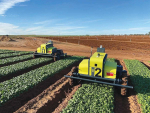
Claimed to be the first autonomous robot for New Zealand vegetables growers, the first Kilter AX-1 unit has arrived in the country.
After delivering a strong financial year, rural trader PGG Wrightson says the coming months will depend on customer confidence and weather.
The apple sector is working with the Government to unlock access to two key markets that could bring millions in revenue for apple growers.
New Zealand needs to make sure that it continues to focus on its own food security, according to HortNZ board member and blueberry grower Dermott Malley.



B+LNZ's Wormwise veterinarian Mary Bowron has won the Best Sheep and Beef Vet of the Year Award in recognition of her outstanding contribution to New Zealand’s sheep and beef sector.
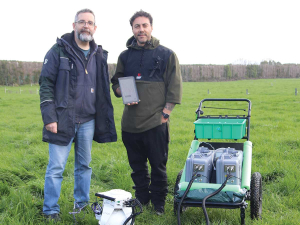
Researchers at Massey University are using a special piece of scientific equipment to improve the measurement of greenhouse gas emissions from pasture soils.
More signs of a booming kiwifruit sector.
OPINION: David Seymour and James Meager's plan to make it easier for farmers and orchardists to operate drones can best be described a 'courageous' move.
New Zealand wool is reaching new heights as air filtration companies move away from synthetic products to biodegradable alternatives.
Opuha Dam's ability to protect South Canterbury communities from major flooding has taken a significant step forward, with Opuha Water Limited (OWL) successfully commissioning a new outlet valve capable of releasing record volumes of water from the dam ahead of a weather event.