NZ Forestry Exports to India Now Tariff Free
More than 95 per cent of New Zealand’s forestry and wood exports to India can now enter tariff free as the New Zealand-India Free Trade Agreement comes into force today.
 increase font size
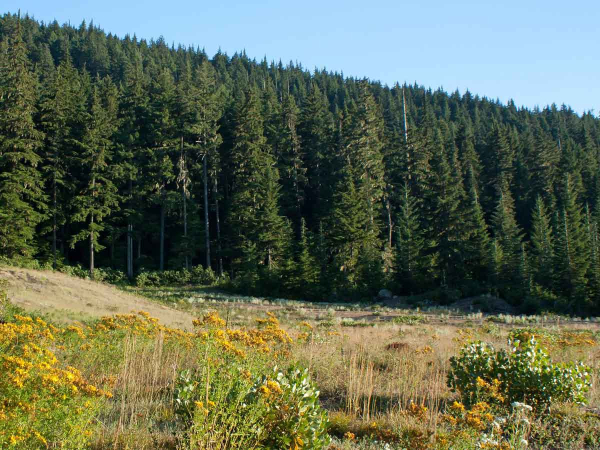 According to the report, a further 38,921ha of sheep and beef farms have been sold for conversion to forestry since September 2024.
Red meat farmers are urging the Government to act on the growing number of whole sheep and beef farm sales for conversion to forestry, particularly carbon farming.
Beef + Lamb New Zealand released updated independent research by Orme & Associates showing a further 38,921ha has been confirmed as sold since the last report in September 2024.
Revised confirmed sales in 2023 now total 29,518 hectares and in 2024 now 30,483 hectares - that figure is expected to rise as further sales are confirmed.
Sales through Overseas Investment Office approvals and to carbon-only forestry entities continue to dominate.
The total amount of whole sheep and beef farms sold since 1 January 2017 is now over 300,000ha.
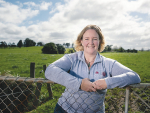
B+LNZ chair Kate Acland says the figures reinforce the need for action.
"While we appreciate the Government's announcement this week about legislation being introduced to restrict wholesale conversions based on land use classes, the numbers show whole-farm sales for conversion to forestry for carbon credits are continuing at pace.
"Anecdotally we're still hearing of a significant number of farms being sold this year, despite the Government announcing the limits last year.
"We're concerned that some sales are continuing on the basis of intent to purchase land before the limits were announced. We urgently need the Government to tighten the criteria around proof of intent to purchase."
More than 95 per cent of New Zealand’s forestry and wood exports to India can now enter tariff free as the New Zealand-India Free Trade Agreement comes into force today.

Ravensdown shareholders have elected Jane Montgomery and Kate Acland to the Ravensdown Board for three-year terms, following a closely contested director election.
Beef + Lamb New Zealand (B+LNZ) says it welcomes the passage of the Natural Environment Bill and Planning Bill, calling the bills a positive step for sheep and beef farmers.
As farmers begin thinking about establishing next year’s winter forage crops, Beef + Lamb NZ is encouraging farmers to carefully consider what crops they are planting and where.
Farmgate lamb prices are down by 8%, beef cattle by 4.5% and farm expenditure up by 4.2%.


Federated Farmers has welcomed new rural policies released by ACT, saying they align closely with its own election priorities.

Rural Contractors NZ says proposed changes to land transport rules for agricultural vehicles are a welcome response by the Government to out of date regulations which have seen members hit with huge fines.
Alliance is calling for final applications for its 2027 Graduate Programme, with applications closing on Sunday 25 October.
Decades piloting planes has ensured vet and farmer David Hayes is focused on safety. So, after a serious accident while welding on farm, he is sharing his experience so others can learn from it.
Canterbury milk processor, Synlait Milk has confirmed Leon Fung as its chief executive officer.
OPINION: Making it easier to collect rainwater and use it to grow crops and livestock is a no brainer.