The Ministry for Primary Industries is taking new measures to reduce the risk of brown marmorated stink bugs entering NZ via vehicles and machinery imported from Japan.
The pest was discovered in the last month.
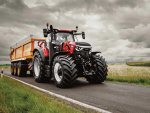
All used vehicles (cars and trucks) must now be inspected and cleaned at an MPI-approved facility in Japan prior to export. And used machinery or vehicles from Japan will require certification proving cleaning by an appropriate provider.
“Nearly 95% of used vehicles from Japan already go through approved facilities designed to eliminate the risk of biosecurity threats like seeds and hitchhiking organisms such as Asian gypsy moth,” said MPI biosecurity and environment manager Paul Hallett.
This will now be compulsory for all imports, to reduce the risk of transporting dirty vehicles and machinery that could contaminate other cargo, he said.
MPI’s move results from a spike in the number of stink bugs arriving at the border in bulk carriers from Japan; four vessels have so far been turned back.
Brown marmorated and spotted yellow stink bugs, native to Japan, are a pest that feeds on apples, kiwifruit, maize, tomatoes, cherries and wheat, with the potential to inflect millions of dollars damage.
MPI says it has already increased inspections of arriving carriers and their cargoes, and is ‘fogging’ with insecticide to flush insects out of confined spaces.
Hallet says MPI will work with industry to develop longer term options for reducing the biosecurity risk.
“We are all keen to work together to consider solutions that avoid the need to turn vessels around at the border.”
This could include treatment before ships enter NZ waters or fumigating here if pests are detected.
“A proposed treatment will be trialled on one of the affected ships this week,” Hallet said. “The vessel will have to pass rigorous biosecurity checks before MPI will allow the release of its cargo.”
Four bulk carriers were turned away from NZ this month due to excessive contamination; they headed for Brisbane for unloading, treatment and reloading, then return to NZ.
Rural News understands the vessels are loaded with at least 6000 vehicles; one distributor said one month’s retail supply had been re-routed.