B+LNZ Employment Hub: Farm Staff Support, Refreshed
Building a strong team is one of the biggest drivers of a successful sheep and beef business, but it can also be one of the tougher parts to get right.
 increase font size
 Beef cattle
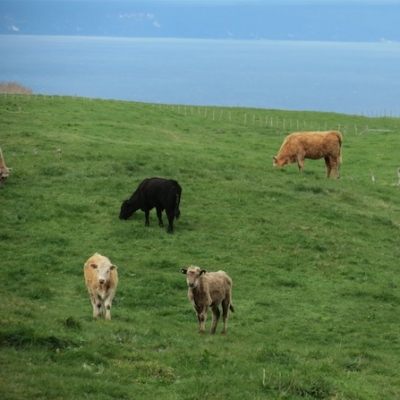
IT’S A great year for sheep and beef – bull beef in particular – according to a farm consultant in the Rotorua region, Peter Livingston from AgFirst.
He told Rural News that while the level of sheep and beef in the region has fallen markedly because of the huge swing to dairying, this season has been a good one for sheep and beef farmers.
Farmers heavily focused on beef production are having one of their best years ever, he says. “The real beef traders have had large swings in profitability over the past decade or so, but those who have been smart traders this year will probably have one of their best years ever.
“The irony is that when the number of beef calves drops, the prices go high. I guess that is just a supply and demand thing. At the moment, those bull beef farmers who have stuck to their game and done the job well are looking at margins well in excess of $600-$700.”
The deciding thing is how they trade rather than the sort of animals they have, he says. The type of animal is important, but trading margin is the key thing.
In the past, there’s been a bias towards the big white animal for bull beef but that is changing. “There are not as many straight Friesian animals anymore because the national dairy herd has tended towards crossbreds. The idea of some beef-cross bulls going across crossbred cows has got a lot of merit – as long as the animals can grow quickly and convert feed efficiently.”
Livingston believes the Angus, as a breed, has made a lot of advances over the last few decades and is probably the preferred beef animal and the one used by many dairy farmers.
But he says there are other issues. “Recently dairy farmers who might have reared 40-50 beef calves and sold them in November for a bit of cashflow have now tended to get more cows in calf with AB and retain heifers to sell to other farmers or for export.
“It probably needs a rethink as to how we make sure the number of beef animals we have on the ground each year to be reared and taken through to slaughter is handled.”
Another issue in the Rotorua region is the lack of good winter grazing land for heifers and cows. The area once had plenty of good grazing land but this has been gobbled up by dairy conversions, pushing dairy grazing back to ‘fringe’ areas.
Building a strong team is one of the biggest drivers of a successful sheep and beef business, but it can also be one of the tougher parts to get right.

A warning to dairy farmers not to expect the same good conditions that they experienced last season, has been issued by a leading farm consultant.
State farmer Pāmu is opening its farm gates this summer in an effort to give the rural sector the opportunity to see how large-scale, multi-system farming is delivering productivity and profitability across New Zealand.
As fuel and fertiliser prices rise and with uncertainty in the future, farmers are being urged to go over their budgets with a fine-tooth comb.
For the most part, dairy farmers in the Waikato, Bay of Plenty, Tairawhiti and the Manawatu appear to have not been too badly affected by recent storms across the upper North Island.
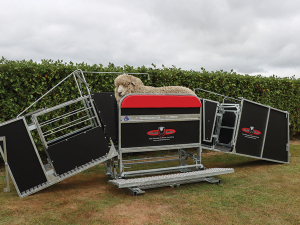
Oamaru-based livestock handling specialist Te Pari has bought Combi Clamp, the New Zealand manufacturer of Combi Clamp manual sheep handlers.

Agriculture Minister Todd McClay has admitted that a scheme bringing workers from Pacific nations to work on orchards has become too hard to navigate but says changes are coming.
A new app designed in New Zealand aims to help sheep, beef and deer farmers capture, analyse and use body condition score data more effectively.
Canterbury farmer Andy Macfarlane has been appointed to the board of AgriZeroNZ, the public-private partnership designed to accelerate the development and deployment of emissions reduction tools for New Zealand farmers.
For over 50 years Mel Ewers has been supporting the apple sector navigate through compliance and quality assurance issues.
The apple sector is enjoying a bumper harvest season.