NZ Forestry Exports to India Now Tariff Free
More than 95 per cent of New Zealand’s forestry and wood exports to India can now enter tariff free as the New Zealand-India Free Trade Agreement comes into force today.
 increase font size
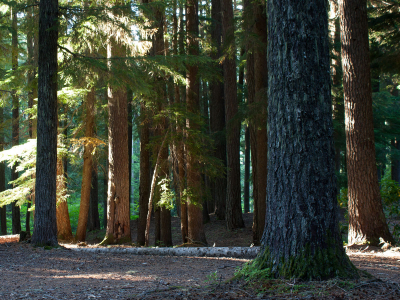
A new lobby group is calling for an immediate halt to the government’s plans to plant a billon trees, saying it will damage the environment and harm New Zealand’s rural economy.
Mike Butterick, speaking for 50 Shades of Green, told Rural News it wants the government to stop planting trees on good farmland immediately and fully assess the long term effect of the policy.
It also wants the government to halt all Overseas Investment Office (OIO) applications for forestry until an assessment is made.
“The government changed the rules to make it relatively easy for overseas investors to buy up productive farmland and plant it in trees,” he explains
“We are not beating up forestry. It is really the environment being created by the policy settings which we believe... are creating something that wasn’t intended.
“The other worrying thing is the great speed at which this is happening.”
Butterick does not know how many productive farms have already been converted to forestry. However, he says in Wairarapa alone up to 8000ha on seven farms have moved from productive farmland to forest.
Rural News has also been told of at least two farms near Gisborne recently planted in pine trees.
“It doesn’t feel good and it isn’t right,” Butterick said.
He says polices sometimes don’t deliver the intended outcome and in that case policy makers should “stop and go back to the drawing board”.
So it is when pine trees are planted on highly productive farmland, he says.
“You can’t eat wood. Taking those farms out of production will have a devastating effect economically, socially and environmentally on the local community. Instead of revitalising the provinces, tree planting will destroy them.”
More than 95 per cent of New Zealand’s forestry and wood exports to India can now enter tariff free as the New Zealand-India Free Trade Agreement comes into force today.
The New Zealand Institute of Forestry (NZIF) says unnecessary changes to New Zealand’s Emissions Trading Scheme (NZ ETS) will seriously erode investor confidence and result in significant reductions in forest planting rates.
For the first time in a quarter of a century, Federated Farmers has something positive to say about the Labour Party’s climate change policy leading into a general election.
Climate, nature and animal wellbeing make up Fonterra's refreshed sustainability roadmap released last week.
New Zealand needs to make sure that it continues to focus on its own food security, according to HortNZ board member and blueberry grower Dermott Malley.



Alliance is calling for final applications for its 2027 Graduate Programme, with applications closing on Sunday 25 October.
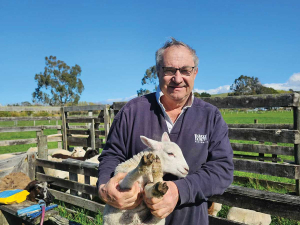
Decades piloting planes has ensured vet and farmer David Hayes is focused on safety. So, after a serious accident while welding on farm, he is sharing his experience so others can learn from it.
Canterbury milk processor, Synlait Milk has confirmed Leon Fung as its chief executive officer.
OPINION: Making it easier to collect rainwater and use it to grow crops and livestock is a no brainer.
As part of its Election 2026 coverage, Rural News asked political parties how they would help pull the arable sector out of the doldrums. Here's what they said:
Farmers are being encouraged to rethink how they manage waste on farm with the launch of ruralwastesorted.co.nz, a new website bringing together practical tips, real farmer experiences and resources.