PC1 Pause Looms as Coalition Targets Waikato Farm Rules
A pause on Waikato Regional Council's (WRC) plan change that sets new freshwater rules for farming could be announced in the coming weeks.
 increase font size
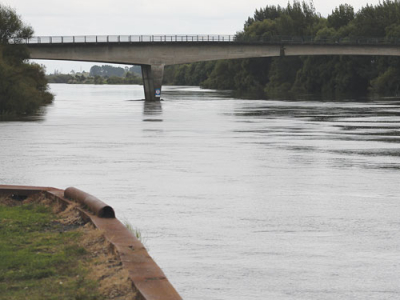 Healthy Rivers is mind bogglingly expensive to implement, says scientist Doug Edmeades.
One of the problems with the proposed Waikato Regional Council’s Plan Change One is that it is mind bogglingly expensive to implement, says scientist Doug Edmeades, of agKnowledge.
“It needs to be thought through carefully in terms of ‘let’s pick off the low hanging fruit first’,” he told a Waikato Beef + Lamb NZ ‘Farming for Profit’ field day at Lochiel Station in Glen Murray.
Making him most anxious about Plan Change One is that the problem with the Waikato River, say water specialists, is not nitrogen but too much phosphorus, E.coli and sediment.
Yet, he says, Plan Change One is “absurdly” set on chasing nitrogen. “So my submission is that this whole Plan Change One is technically flawed and should be re-thought.”
Edmeades made these remarks while explaining to the field day about nutrient movement and its impacts both on fertiliser policy and runoff into waterways.
He explained there are four contaminants that come off land that we need to be worried about: nitrate, nitrogen, phosphorus – in particular P, the phosphorus that is stuck on the particles of soil, so whenever you see soil moving it is carrying with it phosphorus – sediments which cloud up the water and pathogens, particularly E.coli which comes from dung and the urine.
“These are the four contaminants. It is important to recognise that the mechanisms by which these things get into waterways are different.
Nitrogen leaches through the soil; the other three contaminants run off the soil.
“So if you are going to intercept these things you’ve got to know which one you are dealing with.”
Meanwhile the South Waikato District Council has called for the Waikato Regional Council to reconsider its Healthy Rivers plan due to the detrimental effect it will have on the South Waikato community.
South Waikato mayor Jenny Shattock says while South Waikato District Council supports the aspirations of Healthy Rivers, the council is seeking change.
The South Waikato District Council has asked for a ‘science and technology gap’ to be bridged before sustained environmental improvements can be achieved beyond the first 10 years.
Shattock says South Waikato has a unique economic and community profile and the adverse economic and social costs if the current plan is implemented will hit the district hard.
The potential impacts such as job losses and infrastructure affordability on the district would be “significant”.
“Employment in dairy farming will be hugely impacted and this will cause a knock-on effect in the wider district which relies heavily on dairy farmers [for its survival],” she says.
A pause on Waikato Regional Council's (WRC) plan change that sets new freshwater rules for farming could be announced in the coming weeks.

OPINION: Staying on Plan Change 1, NZ First deputy leader Shane Jones took to social media to gain some political points.
OPINION: All eyes are on the Government as Waikato farmers seek urgent help to fend off the controversial Plan Change 1 (PC1), designed to manage nutrient discharges into waterways in the region.
Waikato farmers have been told that the Government’s new planning system legislation and the region’s Plan Change 1 (PC1) “won’t mesh together very well”.
The Government is looking at intervening on behalf of Waikato farmers who face new regulations around agricultural land use while Resource Management Act (RMA) reforms are underway.

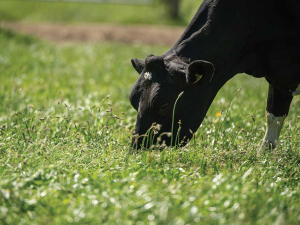
Farms across the upper North Island are trialling different pasture mixes as part of a research programme that aims to build greater resilience into farming systems.
Election years are always a concerning time for farmers, according to DairyNZ chair Tracy Brown.
The Ballance Farm Environment Awards are coming to the West Coast of the South Island.
Most dairy regions around the country have had a pretty good season so far says Tracy Brown.
Rural leader Mark Hooper has been appointed as an independent director to the NZPork board, bringing extensive farming, governance and advocacy experience to the role.