Vets: trusted but misunderstood, according to survey
Around 97% of New Zealand pet owners value the care provided by their vet teams, but the broader contribution of animal health professionals to society often goes unseen, a new study has revealed.
 increase font size
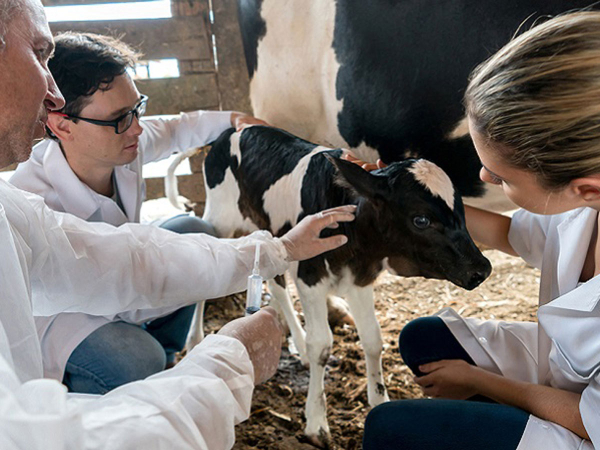 The event shared the findings from a comprehensive survey of the sector conducted by Boehringer Ingelheim in collaboration with NZVA and NZVNA.
The animal health sector needs to change to keep up with the times, according to the discussion at a breakfast event hosted by Boehringer Ingelheim at the NZ Vet Association and NZ Veterinary Nursing Association conference in Christchurch recently.
The event shared the findings from a comprehensive survey of the sector conducted by Boehringer Ingelheim in collaboration with NZVA and NZVNA. The survey covered perceptions from more than 600 people in the sector including vet nurses, veterinarians, clinic management and others.
At the breakfast event, Paul Fitzpatrick, Head of Animal Health New Zealand, Boehringer Ingelheim, hosted panellists Kevin Bryant, NZVA chief executive, Laura Harvey, NZVNA president, and Nick Cooper, Carevets chief executive, for a wide-ranging discussion. The panellists discussed the importance of ensuring that great staff stay in the industry, the opportunity for ongoing training, how to build better public understanding of the sector’s work, and the difference between the experiences of vets and vet nurses.
Fitzpatrick said the survey results demonstrated the need for this conversation, and more like it.
“These responses really underscored how much work we must do. For example, 70% of respondents felt that their role and the role of the broader veterinary sector is not well understood and appreciated by the public, which shows that shifting perceptions needs to be a priority.”
Bryant says that it’s critical to tackle these opportunities together.
“The challenges the industry is facing are not new. A lot of good work is happening, but we need to increase the pace of change to ensure that our sector can thrive in the future. The kind of change we’re talking about requires collaboration across the industry, no matter your role or location.”
Harvey challenged the industry to support vet nurses better.
“Vet nurses are highly trained professionals, and yet they struggle more than others in the industry to get recognition and support. Things have been improving over recent years for our members, but our sector can’t succeed unless it is properly supporting everyone who is a part of it. For vet nurses that means ensuring proper remuneration, career progression and support in the workplace.”
Cooper says NZ can be a leader in this industry.
“We’re a nation of animal lovers, so the potential for us to build a great, respected veterinary industry is huge. We’ve been making good progress already, and we need to work together to go out and seize that opportunity.”
Following the discussion, Boehringer Ingelheim will be working with the industry to build out further resources and support for New Zealand veterinary professionals in the coming months.
Fitzpatrick added that it’s a critical priority for the company.
“In our fiftieth year in New Zealand, we’re absolutely committed to supporting this sector to grow and thrive in the future. We’re thrilled at how well the industry has engaged with this work so far and look forward to building on it into the future.”
Around 97% of New Zealand pet owners value the care provided by their vet teams, but the broader contribution of animal health professionals to society often goes unseen, a new study has revealed.

A long-acting, controlled- release capsule designed to protect ewes from internal parasites during the lambing period is back on the market following a comprehensive reassessment.
New research has revealed a worrying statistic: fewer than half of veterinarians in New Zealand intend to stay in the profession until retirement.
Boehringer Ingelheim says it will stop manufacturing locally-produced livestock ruminant products in New Zealand by late 2022 - ending more than 50 years of local production.



National’s pledge to introduce 19 new national standards shows the party is serious about getting Wellington out of farming, Federated Farmers says.
The National Party’s policies to make it easier to grow fresh vegetables, secure reliable water and energy and simplify farm planning are practical changes that will give growers the confidence to invest, according to Horticulture New Zealand (HortNZ).
Fonterra Co-operative Group chief financial officer Andrew Murray has resigned to take up a role outside the dairy giant.
A major move is about to get underway to improve the quality and viability of dairy beef and cattle in NZ.
Veterinarians say changes to the code of welfare for dairy cattle provides a positive foundation for improved cattle welfare across the country.
Today, 15 October, is the International Day of Rural Women, which recognises rural women’s contribution to farming, communities and the environment.