Rural Vote Debate on Q&A: Substance or Just Platitudes?
It was billed as a chance for all the political parties to woo the rural vote, but question marks hang over just how effective this was.
 increase font size
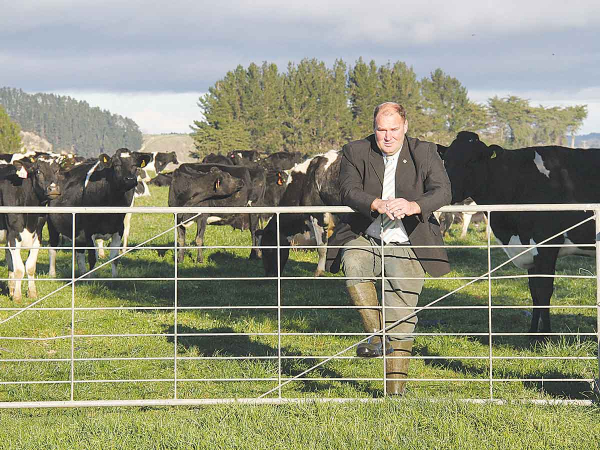 Associate Environment Minister Andrew Hoggard.
The controversial National Policy Statement for Freshwater Management 2020 (NPS-FM) will be gone and replaced within two years, the new Government has announced.
Farmers have welcomed the decision and are vowing to work with the Government on the issue.
Associate Environment Minister Andrew Hoggard says that work on the NPS-FM replacement will start immediately.
“This process is expected to take between 18 to 24 months and will include a robust and full consultation process with all stakeholders including iwi and the public.”
The Government says it will develop an approach that is fit for purpose and enduring.
DairyNZ says it is looking forward to working with the government on the refreshed NPS-FM, and with councils and other stakeholders throughout its implementation.
DairyNZ general manager sustainable dairy Dr David Burger says dairy farmers will welcome this announcement.
“As it stood, the NPS was overly complex, with unachievable timeframes for implementing the genuine change our communities want to see and are committed to. Taking the time to get this right will lead to better outcomes for the environment and our communities.
“We appreciate the government’s direction,” he says.
While the consultation is ongoing, the government has announced it will extend the timelines for regional councils to notify new freshwater plans. Councils will now have until December 31, 2027 to align with the new NPS-FM. This is in line with the freshwater policy position agricultural sector partners have advocated for.
“We are pleased to see the government giving regional councils more time to develop fair, achievable regulations,” Burger says.
The NPS-FM was implemented in September 2020 and received a negative reaction from the farming community because some felt it did not suit the diversity of farms in the country. It was deemed especially unworkable in colder parts of the country and on topographically diverse sheep and beef farms.
Beef + Lamb NZ chair Kate Acland says it’s clear the current rules aren’t working so it’s good that the Government has confirmed the NPS-FM will be replaced.
She also welcomed the deadlines for regional plans being moved out to late 2027.
“We have been advocating for changes and this is a positive step in the right direction that will give our farmers some peace of mind as they head into Christmas.
“However, the most important thing is the regional policy processes to give effect to the existing legislation must stop. We’re not sure that what’s been announced will achieve that and will be watching this closely.
“Farmers need certainty and if those regional processes don’t stop, further measures will be needed to achieve that.
“Ultimately we’re looking for enduring solutions that give farmers and New Zealanders confidence that our freshwater is protected, while ensuring the ongoing economic viability of our sector and rural communities.”
It was billed as a chance for all the political parties to woo the rural vote, but question marks hang over just how effective this was.

There's been widespread support from the primary sector for the Government's announcement on changes to freshwater farm plans that come under the Natural Environment Bill, which is now set to replace the existing RMA.
A pause on Waikato Regional Council's (WRC) plan change that sets new freshwater rules for farming could be announced in the coming weeks.
New Zealanders are being urged to be alert following a confirmed positive case of H5 bird flu this week.
OPINION: Farmers are being put on notice by the Green Party.


New Plymouth-based Manuka honey exporter Egmont Honey has completed its acquisition of Taihape beekeeping business Tweeddale's Honey, with settlement finalised on Friday, 18 September.

Westpac NZ is calling on farmers and growers to start preparing now for the possibility of a dry summer, as likely El Niño conditions raise the risk of drought across parts of the country.
Fonterra Co-operative Group has confirmed the independently assessed candidates standing for election to its board in 2026.
Fonterra has revised its Farmgate Milk Price forecast for the 2026/27 season, lifting the midpoint and narrowing the range on the back of improving global dairy commodity prices.
New Zealand's citrus growers were challenged to build their future on the value embedded in their fruit rather than the volume they produce, at Citrus New Zealand's annual gathering in Gisborne on 17 September.
Leading John Deere technicians and apprentices from New Zealand and Australians were recognised at the recent sixth annual JD Technician of the Year Awards, held in Brisbane.