New Zealand Red Meat Exports Hit Record $1.6 Billion in May
New Zealand red meat exports reached a second consecutive monthly record in May, rising to $1.6 billion, according to the Meat Industry Association.
 increase font size
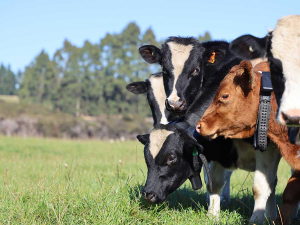
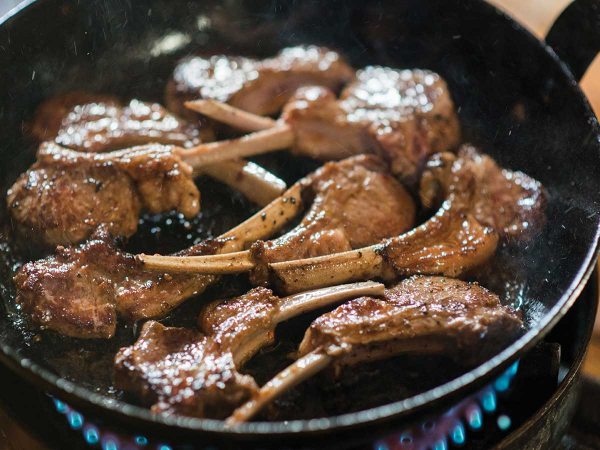 eef and lamb prices have been hit particularly hard by the pandemic given many cuts of meat – particularly for lamb – are consumed in restaurants. Photo credit: Kieren Scott - Minaret Station
Farmgate red meat prices are taking a hit as Covid continues to disrupt dining out businesses around the world.
Beef prices are down 16% on a year ago, lamb prices down around 18% in New Zealand dollar terms.
ASB economist Nat Keall says it’s a more muted start to the year for beef and lamb prices when compared to
dairy.
Keall notes that lamb prices in particular aren’t too far above the lows seen in the immediate post-pandemic churn.
By contrast, ASB’s dairy indices are only down about 8% in NZ dollar terms, a reflection of the 9% lift in the currency over the year. Forestry and fruit indices are actually running ahead of this time last year in NZ dollar terms and are up strongly in US dollar terms.
Keall says two downside factors in particular are weighing on the meat sector: the global pandemic and tentative signs the world is emerging from the global protein shortage of recent years.
“Beef and lamb prices have been hit particularly hard by the pandemic given many cuts of meat – particularly for lamb – are consumed in restaurants, hitting demand and limiting the mark-up sellers can charge,” he told Rural News.
“While the global vaccine rollout is tentatively underway, restrictions crimping the food service sector remain in place in
many parts of the world.”
And there is little light at the end of the tunnel as market and logistical risks remain in play.
ANZ agriculture economist Susan Kilsby expects farmgate prices for lamb and beef to soften further as we head into the peak processing months.
“Winter returns were lower than normal, but aligned with our previous expectations, as lockdowns limited demand for dining out opportunities,” Kilsby says.
China remains a bright spot as its economy is recovering quicker than other parts of the world.
But Kilsby warns that further lockdowns remain the key risk.
A lack of cool store capacity and disruption to shipping could cause processing delays later in the season.
Meat prices also look set to lose a key support too as the Chinese pig herd continues to rebuild after being thinned out by African Swine Fever (ASF).
ASB’s Nat Keall says the global protein shortage triggered by ASF has been a much-needed price support over recent years, partially offsetting the impact of Covid.
“At times, ASF has shrunk the Chinese pig herd by as much as 40%, forcing consumers to substitute pork for other types of meat. For now, prices remain historically high.
“However, the latest data shows China’s pig herd back at 90% of normal levels as of the end of November 2020, suggesting things could start to ease a little as time goes on.”
New Zealand red meat exports reached a second consecutive monthly record in May, rising to $1.6 billion, according to the Meat Industry Association.

The red meat sector finds itself in "a very rare set of circumstances", says Federated Farmers meat and wool industry chair Richard Dawkins.
ANZ agricultural economist Susan Kilsby is describing the 2024-25 dairy season as ‘a cracker’.
Growing global demand for dairy products and a flat milk supply could be setting the stage for a near-record farm gate milk price this season.
Strong demand for milkfats - anhydrous milkfat (AMF) and butter - is helping boost the farmgate milk price, according to ANZ agriculture economist Susan Kilsby.


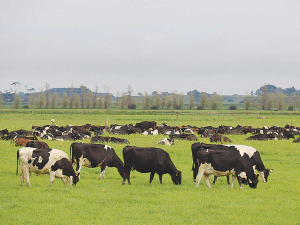
High country stations, mixed sheep and beef farms, Māori-owned farms, corporates and family operations are among the nine commercial farms taking part in the Livestock Innovation Farming Transformation programme, known as LIFT.
OPINION: New health and safety guidance unveiled by the Government recently provides farmers greater certainty about what is expected of them when managing risks on farm.
The National Animal Welfare Advisory Committee (NAWAC) is seeking public feedback on proposed changes to the Code of Welfare for Rodeos.
A New Zealand initiative supporting farmers to restore the health of grazing landscapes has received international backing through the Regenerative Fund for Nature, a global collaborative fund supporting regenerative agriculture and the communities that produce natural fibres for the fashion industry.
Combine premium New Zealand products, blend in a family ritual and what do you get? A world-class functional drink.
Entries are now open across eleven regions for the 2027 New Zealand Dairy Industry Awards (NZDIA).