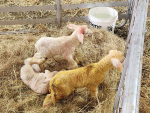
Beef + Lamb NZ's Lambing Kit Checklist for a Tough Season
With lambing underway in many regions, Beef + Lamb New Zealand is encouraging farmers to put together a wellequipped lambing kit to help minimise lamb losses, particularly in bad weather.
 increase font size

IF DROUGHT conditions continue next week, it’s ‘crunch time’ for decision-making on beef and dairy farms in Northland and Waikato.
The dry is affecting beef finishing in Northland, and DairyNZ is sounding warnings on pasture preservation. But Federated Farmers Waikato dairy spokesman Chris Lewis says weather extremes are a fact of modern farming and most farmers will have a plan in place.
Beef+Lamb NZ ‘s northern North Island extension manager Thomas Creswell told Rural News Northland was “very dry for sheep and beef and the dairy guys are the same”.
“The dry weather and the lack of rain is only half the story; the other half is wind. It is drying everything out, pasture growth has dropped off, quality has dived and our performance is suffering. So the guys aren’t finishing stock as they normally would be at this time.”
Creswell said late last week rain was forecast so they were “sitting on the edge of their seats” hoping it would come.
Beef+Lamb extension manager for mid North Island Erica van Reenen says in Waikato there’s a reasonable amount of feed around so it is a “watching brief”.
Lewis, at Pukeatua near Te Awamutu, says feedback particularly from farmers on sandier soils is that pastures have dried-off; they have minimal feed and are considering a high level of supplements or once-a-day milking.
Some farmers went through maize stocks in winter and spring because it was wet and buying in a lot of supplement with the current payout may not be economic.
“If this carries on for another week it will be decision making time. But farmers have been through a few droughts in the last four to five years and most have a plan in place. Animal welfare and feeding cows properly is top of our list.”
Federated Farmers Northland president Matt Long says: “Some areas are severely dry and we definitely need some rain. Production is falling on the dairy farms, the beef processes are falling and all your typical dry weather things.”
DairyNZ regional team leader Craig McBeth says a key focus for dry North Island farmers should be keeping a core group of cows milking until pasture growth recovers.
“Implementing some culling and tallying up supplements are important actions right now,” says McBeth. “It’s also important to manage pasture condition and not over-graze, so when it does rain, pastures are in good shape to respond.”
With lambing underway in many regions, Beef + Lamb New Zealand is encouraging farmers to put together a wellequipped lambing kit to help minimise lamb losses, particularly in bad weather.
Will a stronger, more coordinated voice help rebuild confidence and improve returns in the wool sector?
Sheep and beef farmers in Hawke's Bay are being urged to keep a close eye on the wells that supply water to their stock.
Fears of a serious early drought in Hawke’s Bay have been allayed – for the moment at least.
OPINION: Farmers along the east coast of both islands are being urged to start planning for drought as recent nor'west winds have left soil moisture levels depleted.


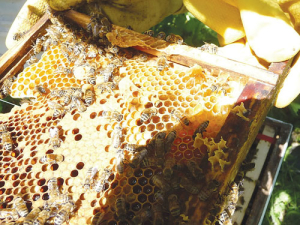
New Plymouth-based Manuka honey exporter Egmont Honey has completed its acquisition of Taihape beekeeping business Tweeddale's Honey, with settlement finalised on Friday, 18 September.

Westpac NZ is calling on farmers and growers to start preparing now for the possibility of a dry summer, as likely El Niño conditions raise the risk of drought across parts of the country.
Fonterra Co-operative Group has confirmed the independently assessed candidates standing for election to its board in 2026.
Fonterra has revised its Farmgate Milk Price forecast for the 2026/27 season, lifting the midpoint and narrowing the range on the back of improving global dairy commodity prices.
New Zealand's citrus growers were challenged to build their future on the value embedded in their fruit rather than the volume they produce, at Citrus New Zealand's annual gathering in Gisborne on 17 September.
Leading John Deere technicians and apprentices from New Zealand and Australians were recognised at the recent sixth annual JD Technician of the Year Awards, held in Brisbane.




