New Zealand Apple Industry Enjoys Second Strong Season In A Row
The chief executive of Apples and Pears New Zealand, Danielle Adsett, says fruit quality this year is phenomenal and the sector is hitting crop estimates, which is great for growers.
 increase font size
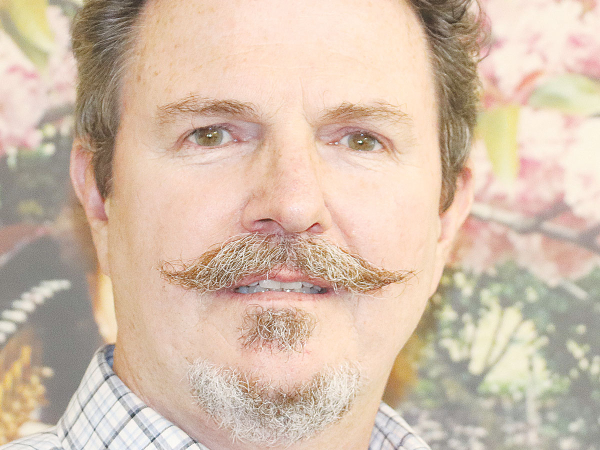 Paul Paynter, general manager of the Yummy Fruit Company, says the effects of Cyclone Gabrielle linger on.
Many companies are financially mortally wounded by the effects of Cyclone Gabrielle and may have to sell up because of their high debt levels.
That's the view of Paul Paynter, general manager of the Yummy Fruit Company, a family-owned company in Hawke's Bay that's been in the orcharding business for 162 years. But he says the days of the family business continuing as it has done for all those years could be numbered.
Cyclone Gabrielle destroyed 180,000 of their apple trees and while they have replanted 100,000 this past year and plan to plant more this year, the cost of lost production and rising debt is proving to be a hurdle too high.
"It's easy for people to see the damaged trees, but what they don't see is the balance sheet destruction that we are facing," Paynter told Rural News.
"Basically, ten to fifteen percent of our assets (trees) are gone forever and because of the loss of crop, our debt has risen by around ten percent," he says.
Paynter says they are one of the lucky orchardists to get a loan from the government agency Kanoa - interest free for five years, which is just long enough for them to get some form of commercial return on the new plantings. But he says after that they will have to pay interest, and it will take a full ten years before the investment of the plantings breaks even.
He says with this situation, nobody is very popular with the conventional banking model and to that end they are at the mercy of their bank.
"The only solution is what we call 'balance sheet restructuring' which is a euphemism for selling up or bringing in a large equity shareholder. We simply cannot survive because we have too much debt," he says.
Paynter says there appears to be a lack of confidence worldwide in interest rates falling and inflation being got under control. He says the only solution is getting in new capital - not an easy road either - and he points to the fact that no investor wants to invest in a 'disaster'.
To that end Paynter says they are replanting the apple trees and getting the business back to a position where an investor can see potential. He says other large orchardists are in the same position and some have already sold substantial assets to improve their financial position.
"The sad thing is that in a couple of years we could be 50% Chinese owned. But I would expect the most likely outcome is that someone will come along and buy us and my family history of 162 years in the orcharding business will come to an end - all because of Cyclone Gabrielle," he says.
The chief executive of Apples and Pears New Zealand, Danielle Adsett, says fruit quality this year is phenomenal and the sector is hitting crop estimates, which is great for growers.
A Hawke's Bay apple orchardist supports the Government's objective of doubling exports but says this won't happen in the horticulture sector unless there's a change in the process for bringing new plant material into the country.
Nearly three years on from Cyclone Gabrielle, Hawke's Bay apple orchardist Paul Paynter says they are still doing remedial work around their orchards and facing financial challenges.
A Hawke's Bay apple grower says it's no longer profitable for him to export apples to the US because of the 15% tariff imposed on them by Donald Trump.
If there was a silver lining in the tragedy that was Cyclone Gabrielle, for New Zealand Young Grower of the Year, Grace Fulford, it was the tremendous sense of community and seeing first-hand what good leadership looks like.


LIC shareholders have elected a new North Island representative to the co-operative's Board, along with five representatives to its Shareholder Reference Group (SRG), following the company's Annual Meeting held in Invercargill.
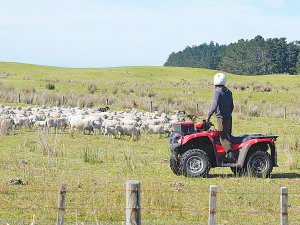
Farmers across parts of Southland and South Otago are continuing to deal with difficult conditions after a prolonged run of wet weather, with pressure building around feed supply, stock management, pasture damage, farm infrastructure and everyday workloads.
Federated Farmers says it welcomes Labour's commitment to reviewing the Sharemilking Agreements Act, calling on other major parties to do the same.
For Canterbury dairy farmers Sian Meijer and Rick Wobben, wearable technology has become one of their most valuable on-farm tools - helping manage 1850 cows across an expansive, high-performing dairy operation while improving efficiency, mating outcomes and day-to-day decision making.
Fonterra has unveiled its annual results for the 2026 financial year, posting $27 billion in revenue and close to $20 billion returned to New Zealand farmer owners and unit holders.
The first major update to the Dairy Cattle Code of Welfare in more than a decade has been released, marking what DairyNZ describes as an important step in ensuring animal welfare standards continue to evolve alongside scientific evidence and on-farm realities.