Ravensdown Elects Montgomery, Acland to Board
Ravensdown shareholders have elected Jane Montgomery and Kate Acland to the Ravensdown Board for three-year terms, following a closely contested director election.
 increase font size
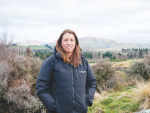
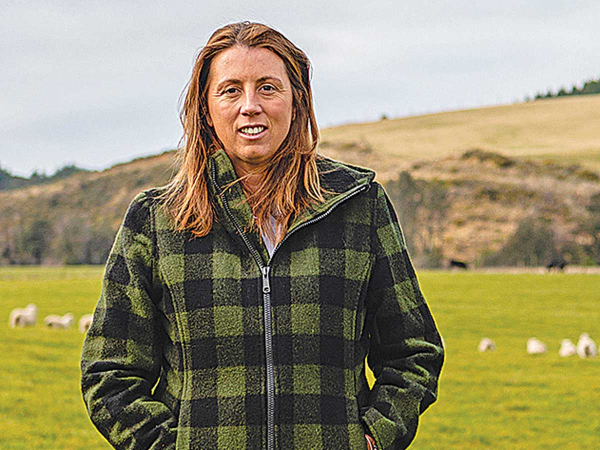 Kate Acland.
Sheep and cattle numbers continue to decline, and this year's drought hasn't helped, according to Beef + Lamb New Zealand (B+LNZ).
The annual Stock Number Survey, released last week, shows a notable decline in both sheep and cattle numbers as of 30 June 2024.
The reduction follows significant decreases in the past couple of years. While the primary driver in previous years has been land-use change because of the conversion of sheep and beef farms into forestry, this year's primary driver was drought in key sheep and beef regions.
Drought has seen farmers needing to destock and impacted the outlook for lamb production for the coming season.
Sheep numbers are estimated to have decreased by 4.3%, down to 23.31 million, with breeding ewe numbers falling by 2.9% and trading sheep stock numbers down 7.9%. Farmers sought to maintain their breeding ewes and decreased their trading stock more.
The decline in ewes and a lower expected lambing percentage, also caused by drought, means the lamb crop is anticipated to decrease by 4.9% (970,000 head) on last year.
Beef cattle numbers are down 2.8% overall, most significantly in the South Island, where drought led to a 7.1% decrease, while the North Island is relatively steady, down 0.8%.
"This year has been particularly tough for sheep and beef farmers," says Kate Acland, chair of B+LNZ.
"The combination of drought across many parts of the country, high costs, and low sheep prices and has put immense pressure on farmers.
"Farmers are facing tough decisions on their farms, with many having to sell of capital livestock not only due to drought but for cashflow reasons. This will not only affect their income this year but will also have long-term implications for future profitability."
The report indicates that while there may be a partial rebuild of stock numbers in some regions in the coming season, the full recovery of sheep numbers to pre-drought levels is unlikely, due to ongoing land use change into carbon forestry. The number of beef cattle may recover more quickly as prices have remained strong for beef, and farmers have been switching from sheep to cattle.
The early destocking, lower stock numbers overall and current desire to rebuild livestock (in regions impacted by adverse weather events) is contributing to a shortage of animals available for processing.
This is exacerbated by lower bull numbers due to less calves reared two years ago, when profit margins were low.
Acland says the challenges of the last few years are likely to have wide-ranging and lasting repercussions.
Ravensdown shareholders have elected Jane Montgomery and Kate Acland to the Ravensdown Board for three-year terms, following a closely contested director election.
Beef + Lamb New Zealand (B+LNZ) says it welcomes the passage of the Natural Environment Bill and Planning Bill, calling the bills a positive step for sheep and beef farmers.
Farmgate lamb prices are down by 8%, beef cattle by 4.5% and farm expenditure up by 4.2%.
Red meat farmers are welcoming Labour’s plan to review the Emissions Trading Scheme and not to campaign on pricing agricultural emissions.
With lambing underway in many regions, Beef + Lamb New Zealand is encouraging farmers to put together a wellequipped lambing kit to help minimise lamb losses, particularly in bad weather.

Mobile phone coverage and reliability are deteriorating in rural areas, and farming families are bearing the cost, according to a Federated Farmers survey.
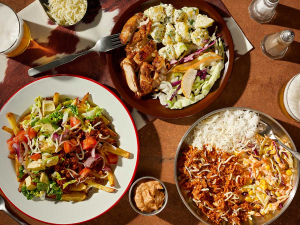
HelloFresh New Zealand has launched a limited-edition Country Cookout Box of Southern-inspired meals, arriving as the 2026/27 rodeo season gets underway.
Beef + Lamb New Zealand Incorporated (BLNZ Inc) is marking 40 years of promoting red meat to New Zealand consumers, citing its taste, family meals and nutritional benefits.
Pāmu has welcomed Taranaki student Paige Burston as its newest First Foundation Scholar, supporting her journey towards a career in agriculture and animal science.
Farmer-owned fertiliser company, Ballance Agri Nutrients is welcoming National’s plan to negotiate security agreements with key supplier countries to protect New Zealand-bound products from export restrictions and greater supply chain certainty.
Carrfields has announced the appointment of Stu Hall to the newly created role of chief operating officer, Carrfields Ltd, reflecting the continued growth of their agribusinesses and the need to ensure the company has the leadership capacity and support in place as it pursues the emerging opportunities ahead.