Southerly Winds Hit Taranaki Dairy Pasture Growth
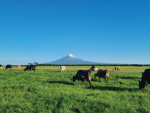
A spate of southerly winds bringing cold temperatures has presented challenges for Taranaki dairy farmers.
 increase font size
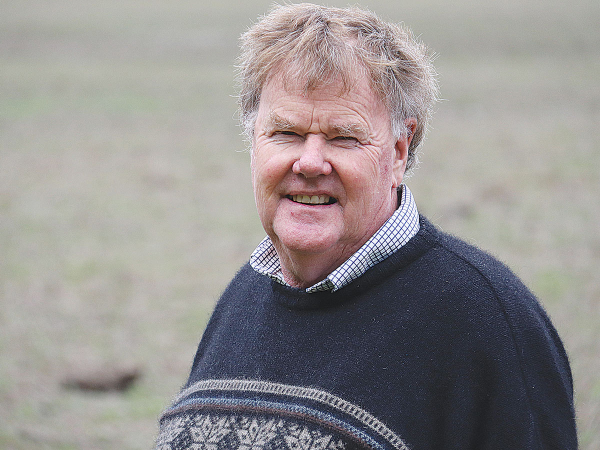 Lochie MacGillivray
Farmers on the east coast of the North Island are facing a quandary as hot, dry weather and dropping soil moisture levels persist.
AgFirst's Lochie MacGillivray, based in Hawke's Bay, told Rural News farmers are in 'no man's land' as they try to second guess what might happen with the weather in December/January. He says they are torn between acting now in anticipation of a drought or holding back in case it doesn't happen - and no one can say with any certainty what the outcome may be.
"The store lamb store price is slipping away and so for farmers to unload more animals, which in some cases could be absolutely the right decision, means they are gambling that there won't be substantial rain coming in January," he says. "But then what happens if we get some of those tropical cyclones in between the hot weather?"
MacGillivray says part of the problem is that it is neither a strong El Nino or a strong La Nina which makes modelling the outcome very difficult so at present the position could be described as 'neutral'. He says what the weather does in the next few weeks will be crucial. He points out that in the past few weeks temperatures have been in the 30s and winds have been strong.
But while livestock farmers are concerned about the weather, most of those in the horticulture sector are more than happy with the hot dry spell. Gordon McPhail of Leaderbrand, based in Gisborne, says the weather has resulted in one of their best years in a long time.
He says their sweet corn crop is nearly two weeks ahead of normal and they are planning to sell two million cobs of corn in the next few weeks. He says they are hoping the weather will stay as it is especially with their 350 hectares of grapes due for harvest in February.
McPhail says summer crops such as corn and watermelons are important for his company and they have hopes for good sales in the coming months.
A spate of southerly winds bringing cold temperatures has presented challenges for Taranaki dairy farmers.
Surprised, humbled and quite thrilled. That’s the reaction of James Allen, one of the founding partners and now chief executive of AgFirst, on being made a life member of the Institute of Rural Professionals.
A warning to dairy farmers not to expect the same good conditions that they experienced last season, has been issued by a leading farm consultant.
As fuel and fertiliser prices rise and with uncertainty in the future, farmers are being urged to go over their budgets with a fine-tooth comb.
For the most part, dairy farmers in the Waikato, Bay of Plenty, Tairawhiti and the Manawatu appear to have not been too badly affected by recent storms across the upper North Island.



LIC shareholders have elected a new North Island representative to the co-operative's Board, along with five representatives to its Shareholder Reference Group (SRG), following the company's Annual Meeting held in Invercargill.
Farmers across parts of Southland and South Otago are continuing to deal with difficult conditions after a prolonged run of wet weather, with pressure building around feed supply, stock management, pasture damage, farm infrastructure and everyday workloads.
Federated Farmers says it welcomes Labour's commitment to reviewing the Sharemilking Agreements Act, calling on other major parties to do the same.
For Canterbury dairy farmers Sian Meijer and Rick Wobben, wearable technology has become one of their most valuable on-farm tools - helping manage 1850 cows across an expansive, high-performing dairy operation while improving efficiency, mating outcomes and day-to-day decision making.
Fonterra has unveiled its annual results for the 2026 financial year, posting $27 billion in revenue and close to $20 billion returned to New Zealand farmer owners and unit holders.
The first major update to the Dairy Cattle Code of Welfare in more than a decade has been released, marking what DairyNZ describes as an important step in ensuring animal welfare standards continue to evolve alongside scientific evidence and on-farm realities.