NZ Forestry Exports to India Now Tariff Free
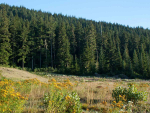
More than 95 per cent of New Zealand’s forestry and wood exports to India can now enter tariff free as the New Zealand-India Free Trade Agreement comes into force today.
 increase font size

MEAT, FORESTRY and dairy all contributed to seasonally adjusted export volumes falling 5.3% in the June quarter, while import volumes rose 3.6%, Statistics New Zealand says.
"Export volumes recorded their largest fall since the March 2008 quarter," international statistics manager Jason Attewell says. "This was due to falls from high levels in key primary products."
Seasonally adjusted meat export volumes fell 8.3%, forestry volumes fell 8.3%, and dairy volumes fell 2%.
Seasonally adjusted import volumes rose 3.6%, continuing a series of rises that began at the start of 2013. Capital goods led the rise this quarter, accompanied by rises in other key import groupings.
The trend for import volumes has been rising for seven consecutive quarters – by a total of 19%.
The terms of trade for goods rose 0.3% due to export prices falling less than import prices. "This is the lowest of six consecutive quarterly rises for the terms of trade, which is now 1.3% below its all-time high in the June 1973 quarter," Attewell says/
Terms of trade is a measure of the purchasing power of New Zealand's exports abroad. An increase means New Zealand can buy more imports for the same amount of exports.
A strengthening New Zealand dollar had a downward influence on import and export prices.
The price of exported goods fell 2%, with dairy prices falling 4.3% and forestry product prices falling 6.5% (influenced by a large fall in log prices).
Prices for imported goods fell 2.3%.. The fall was broad based. Petroleum and petroleum products (down 3.9%, due to lower prices for crude oil) contributed the most to the overall fall.
The price and volume indexes for exports and imports of goods are compiled mainly from overseas merchandise trade data.
More than 95 per cent of New Zealand’s forestry and wood exports to India can now enter tariff free as the New Zealand-India Free Trade Agreement comes into force today.
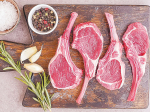
New Zealand's red meat and fifth-quarter exports reached $867 million in August, up 23% on the same month last year, as stronger returns lifted earnings across all major markets.
Meat Industry Association data, released alongside the Red Meat Sector conference in Wellington, shows export value climbing across the US, China, UK and Canada.
The New Zealand Institute of Forestry (NZIF) says unnecessary changes to New Zealand’s Emissions Trading Scheme (NZ ETS) will seriously erode investor confidence and result in significant reductions in forest planting rates.
OPINION: Succession and long-term planning are perennial topics because it is perpetually sidelined on busy farms.


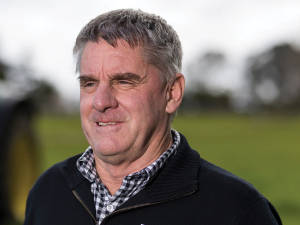
Federated Farmers has welcomed new rural policies released by ACT, saying they align closely with its own election priorities.

Rural Contractors NZ says proposed changes to land transport rules for agricultural vehicles are a welcome response by the Government to out of date regulations which have seen members hit with huge fines.
Alliance is calling for final applications for its 2027 Graduate Programme, with applications closing on Sunday 25 October.
Decades piloting planes has ensured vet and farmer David Hayes is focused on safety. So, after a serious accident while welding on farm, he is sharing his experience so others can learn from it.
Canterbury milk processor, Synlait Milk has confirmed Leon Fung as its chief executive officer.
OPINION: Making it easier to collect rainwater and use it to grow crops and livestock is a no brainer.