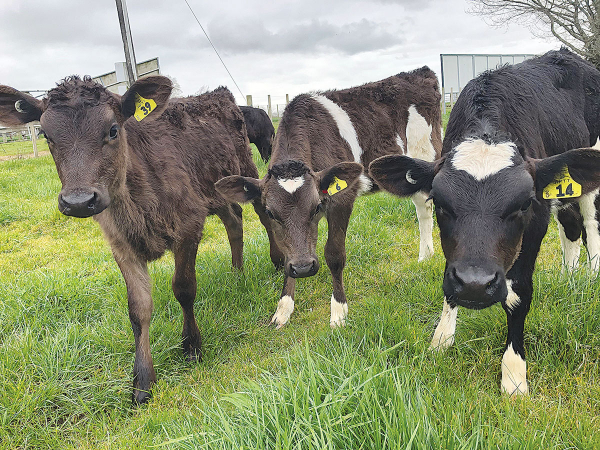
A Hawera farmer is one of several farmers recently convicted for failing to register his animals under the National Animal Identification and Tracing (NAIT) scheme.
Ross Gordon Clark (51) was fined $20,000 on Tuesday after pleading guilty to seven charges under the NAIT Act, for not registering 106 cows between May and June 2020.
Last week, Waitui farmer Victor Charles McIntyre (67), pleaded guilty to 19 charges under the NAIT Act, and was fined $18,900 in the New Plymouth District Court for not registering 175 cattle between April and September 2020.
The Ministry for Primary Industries (MPI) has recently secured two additional NAIT convictions which are awaiting sentencing.
The NAIT scheme enables MPI to track and trace cattle and deer when they are moved between farms or for processing. It’s a critical factor in the ability to act quickly and decisively in response to biosecurity threats that could have devastating effects for New Zealand.
In December 2019, Parliament increased the penalty for non-registration tenfold, meaning the maximum fine was increased from $10,000 to $100,000 and these fines are the first under the updated penalties.
MPI regional manager of animal welfare and NAIT compliance Joanna Tuckwell says it’s important for farmers to do the right thing because biosecurity is critically important to the agricultural sector.
“We certainly take it very seriously and the increase in fines shows Parliament does too.
“People in charge of NAIT animals need to get this right. When they don’t, they potentially put the whole sector at risk if a biosecurity matter involving farm animals was to occur. The higher penalties under the new regime reflect the seriousness of the situation,” says Tuckwell.