Federated Farmers Backs Year 11 Agricultural Science
Federated Farmers is backing Feilding High School’s call to keep Agriculture and Horticultural Science as a standalone subject in Year 11.
 increase font size
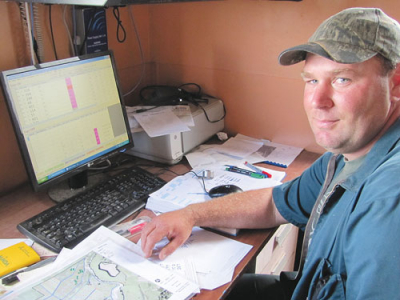 Andrew Hoggard.
Six commercial farms have been destroyed by the huge fire in the hills southwest of Nelson, according to Federated Farmers.
Although the houses were saved, the farms lost buildings, fences and water systems, says Feds national vice-president Andrew Hoggard.
Feds called urgently for grazing and feed supplies, and Hoggard said eight truckloads of feed were understood to be on the way, from Mid and South Canterbury, Marlborough and Golden Bay.
“We know there are more than 15 primary production properties of concern,” Hoggard told Rural News. “We are currently prioritising those who are reliant on farming as their main source of income to get feed and have a system to allocate feed to other affected properties.”
Last week, the fire was burning on, nearly a week after the state of emergency was declared on February 6. Evacuated residents were allowed back into Wakefield last Tuesday, but the state of emergency was extended for another seven days.
The Richmond Showground has been made available for stock, but mostly that was being used by the district’s many lifestylers, Hoggard says.
Of the commercial farmers, some had been able to get stock off to other farms. He says one dairy farm was reportedly operating out of an old cow shed because the main shed was on the wrong side of the cordon with a good chunk of the farm.
Meanwhile, Hoggard says MPI had done “a pretty bloody good job” managing the situation, although some farmers are said to have been upset at not getting access to check their stock.
“In these situations everyone’s in high stress,” Hoggard told Rural News. “Obviously, in the wash-up we’ll be looking with hindsight over every little decision, but by and large MPI did a pretty good job. They have been giving access to people on a sort of roster basis to check on stock.”
Hoggard says anyone going in had to be guided by Civil Defence personnel; with so many lifestyle blocks involved, giving everybody access would mean “taking a truckload of people away from the front line”.
“It’s a huge balancing act between people’s safety and trying to control the fire and stop it from spreading and affecting even more people, and at the same time looking after people’s livelihoods and their stock.”
Hoggard says inevitably some people were upset that they couldn’t do everything they wanted, but he hasn’t heard any complaints about rampant bureaucracy.
Federated Farmers is backing Feilding High School’s call to keep Agriculture and Horticultural Science as a standalone subject in Year 11.
As part of its Election 2026 coverage, Rural News asked political parties how they would help pull the arable sector out of the doldrums. Here's what they said:
National’s pledge to introduce 19 new national standards shows the party is serious about getting Wellington out of farming, Federated Farmers says.
OPINION: Rivers never sit still. They start as snowmelt and rain in the high country, pick up a creek here and a stream there, and carry all of it down to where it's needed.
Mobile phone coverage and reliability are deteriorating in rural areas, and farming families are bearing the cost, according to a Federated Farmers survey.


Alliance is calling for final applications for its 2027 Graduate Programme, with applications closing on Sunday 25 October.
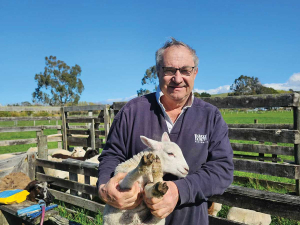
Decades piloting planes has ensured vet and farmer David Hayes is focused on safety. So, after a serious accident while welding on farm, he is sharing his experience so others can learn from it.
Canterbury milk processor, Synlait Milk has confirmed Leon Fung as its chief executive officer.
OPINION: Making it easier to collect rainwater and use it to grow crops and livestock is a no brainer.
As part of its Election 2026 coverage, Rural News asked political parties how they would help pull the arable sector out of the doldrums. Here's what they said:
Farmers are being encouraged to rethink how they manage waste on farm with the launch of ruralwastesorted.co.nz, a new website bringing together practical tips, real farmer experiences and resources.