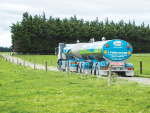
Fonterra FY26 Results: $9.69 Milk Price, $3.4bn Profit
Fonterra has unveiled its annual results for the 2026 financial year, posting $27 billion in revenue and close to $20 billion returned to New Zealand farmer owners and unit holders.
 increase font size
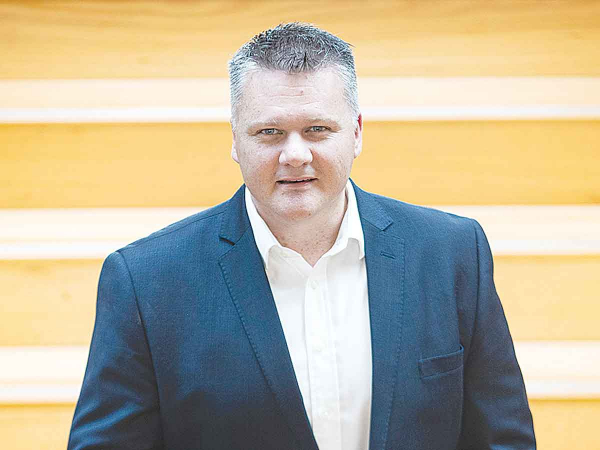 Fonterra chief executive Miles Hurrell says the co-op will now close its office in Moscow.
The days of enjoying fine European cheese and New Zealand butter are over for Russians.
Major dairy companies are either pulling out of Russia or reducing their manufacturing footprint in the country as a result of the Ukraine war.
Fonterra last week announced that it would exit its businesses in Russia, just weeks after suspending shipments of product to that country.
The world's largest dairy company, Danone, is also suspending all investment projects in Russia.
However, it will maintain production and distribution of fresh dairy products and infant nutrition "to still meet the essential food needs of the local population," the French company says.
Nestle, the second largest dairy processor in the world, says it will continue to provide "essential food products" to people where it operates.
"In Russia, we continue to focus on meeting the needs of the local people," Nestle says.
However, it has halted all advertising activities and also suspended all capital investment.
Finnish dairy processor Valio, which operates a cheese factory in Moscow and solve $200 million of products to Russia, is also pulling out. Meanwhile, Arla Foods says it has initiated preparations to suspend its business in Russia.
Fonterra's decision ends its 40-year butter trade in Russia. The co-op exports a small amount of product to Russia - primarily butter - totalling about 1% of its annual exports.
Fonterra chief executive Miles Hurrell says their first step following Russia's invasion of Ukraine was to establish the safety of its team in Russia.
"Our priority through this process continues to be doing the right thing by our people.
"We then suspended shipment of product to Russia while we assessed the impact of economic sanctions and discussed our long-term plans with our customers and joint venture partner."
He says the co-op will now close its office in Moscow, re-deploying staff where possible, and withdrawing from its joint venture Unifood.
Hurrell believes given the current strong demand for New Zealand dairy, the co-op will easily re-allocate this product to other markets.
Fonterra has unveiled its annual results for the 2026 financial year, posting $27 billion in revenue and close to $20 billion returned to New Zealand farmer owners and unit holders.
Fonterra Co-operative Group has confirmed the independently assessed candidates standing for election to its board in 2026.
Fonterra has revised its Farmgate Milk Price forecast for the 2026/27 season, lifting the midpoint and narrowing the range on the back of improving global dairy commodity prices.
Outgoing Fonterra Co-operative Council chair John Stevenson says that it has been a privilege to represent the co-op's farmer shareholders.
OPINION: It seems Canterbury processor Synlait is still in the doldrums.


Farmers across parts of Southland and South Otago are continuing to deal with difficult conditions after a prolonged run of wet weather, with pressure building around feed supply, stock management, pasture damage, farm infrastructure and everyday workloads.
Federated Farmers says it welcomes Labour's commitment to reviewing the Sharemilking Agreements Act, calling on other major parties to do the same.
For Canterbury dairy farmers Sian Meijer and Rick Wobben, wearable technology has become one of their most valuable on-farm tools - helping manage 1850 cows across an expansive, high-performing dairy operation while improving efficiency, mating outcomes and day-to-day decision making.
Fonterra has unveiled its annual results for the 2026 financial year, posting $27 billion in revenue and close to $20 billion returned to New Zealand farmer owners and unit holders.
The first major update to the Dairy Cattle Code of Welfare in more than a decade has been released, marking what DairyNZ describes as an important step in ensuring animal welfare standards continue to evolve alongside scientific evidence and on-farm realities.
Ravensdown shareholders have elected Jane Montgomery and Kate Acland to the Ravensdown Board for three-year terms, following a closely contested director election.




