NZ Beef Mince Now Over $24/kg as Export Demand Stays Strong
New Zealand consumers are paying more for beef mince than ever before, with the average retail price now sitting above $24 per kilogram, according to Rabobank.
 increase font size
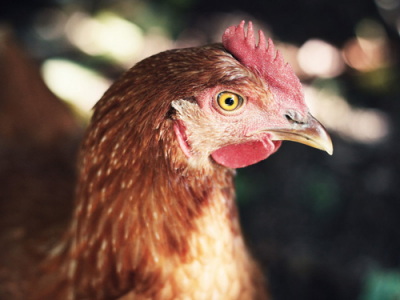 Chicken prices fell 0.9% for the month, and 11% over the year to September 2016.
Food prices fell 0.9% in September 2016, influenced by seasonally lower prices for vegetables and cheaper chicken prices, Statistics New Zealand says.
Chicken prices fell 0.9% for the month, and 11% over the year to September 2016. Prices have fallen on an annual basis for the last 16 months to reach their lowest level since October 2007.
"Chicken prices peaked in December 2014, when the average price of a kilo of chicken breasts was $16.60," consumer prices manager Matt Haigh says.
"In September 2016 the average price had fallen to $13.52.
“The generally falling prices for chicken in recent months are the result of expanded investment in farming operations by the New Zealand poultry industry," Poultry Industry Association executive director Michael Brooks says. "With supply decisions being made one to two years ahead, temporary periods of under- or over-supply can occur and affect prices accordingly.”
Chicken consumed in New Zealand is locally produced, so prices can fluctuate in the local market.
Fruit and vegetable prices fell 5.1% in September 2016, reflecting seasonally lower prices for tomatoes, capsicum, lettuce, and cucumber. After seasonal adjustment, fruit and vegetable prices rose 0.4%.
Overall food prices increased 0.1% in the year to September 2016.
New Zealand consumers are paying more for beef mince than ever before, with the average retail price now sitting above $24 per kilogram, according to Rabobank.
OPINION: Farmers are being put on notice by the Green Party.
OPINION: The Green Party’s rivers and oceans policy may have a new name but nothing else has changed.
OPINION: Staying on Plan Change 1, NZ First deputy leader Shane Jones took to social media to gain some political points.
Poultry producer Waitoa is launching a new campaign, complete with on-pack QR codes, giving Kiwis the ability to trace their free range chicken back to the farms where it was raised.


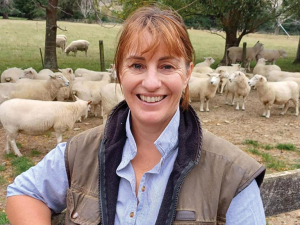
B+LNZ's Wormwise veterinarian Mary Bowron has won the Best Sheep and Beef Vet of the Year Award in recognition of her outstanding contribution to New Zealand’s sheep and beef sector.
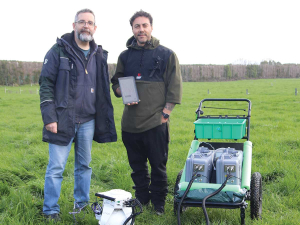
Researchers at Massey University are using a special piece of scientific equipment to improve the measurement of greenhouse gas emissions from pasture soils.
More signs of a booming kiwifruit sector.
OPINION: David Seymour and James Meager's plan to make it easier for farmers and orchardists to operate drones can best be described a 'courageous' move.
New Zealand wool is reaching new heights as air filtration companies move away from synthetic products to biodegradable alternatives.
Opuha Dam's ability to protect South Canterbury communities from major flooding has taken a significant step forward, with Opuha Water Limited (OWL) successfully commissioning a new outlet valve capable of releasing record volumes of water from the dam ahead of a weather event.