NZ Red Meat Sector Disappointed as US Lamb Probe Advances
New Zealand's red meat sector says it is disappointed that the United States' investigation into lamb imports will move to its next phase.




 increase font size
 Sir Lockwood Smith
With the red meat sector going through a boom time with high prices, the time is right for the industry to step up its investment into developing new food products.
Former Minister of the Crown, diplomat, still a farmer and now chair of the globally recognised Riddet Institute, Sir Lockwood Smith says the red meat sector is going through a good phase now with prices, especially for beef.
He says he can’t recall such a good period since the wool boom of the 1950s.
He says there is an air of confidence in the sector and an interest in the fact that it can do better, which he says is really good to see.
“If I had one criticism of the industry, it would be that there is not enough investment in researching new products from our red meat. Whereas I observe Fonterra and the dairy industry investing hugely in new food products, the risk the meat industry faces is that it could be seen as being caught up with the issues of today rather than thinking about the future,” he says.
Smith says new high value cuts of meat are being developed to sell in high-end markets, which is good, but this is still just cutting meat. He says the dairy industry is creating all sorts of valuable new products from milk and the meat industry needs to find products that are worth far more than the traditional steak.
According to Smith, research is needed into what he calls the 5th quarter of the carcass – meaning the blood and other organs and creating new products.
He says while there an awareness of this, he doesn’t see enough research going into it yet.
Smith says the Riddet Institute has done some outstanding work on what are called Digestible Indispensable Amino Acids that show that red meat protein is better than protein derived from plants. This research shows that red meat proteins are readably digestible whereas plant proteins aren’t. He says the other great advantage of red meat is its iron content.
“A huge number of women globally are deficient in iron and of course red meat is a wonderful source of iron. It’s a global problem and woman die because they don’t get enough iron, and it’s also problem for woman in NZ. We need to have the research to show that people need more iron and red meat and red meat offers all to these nutritional benefits,” he says
Smith says times in the past haven’t been easy for the red meat sector, but with the present upturn in the fortunes, serious thought needs to go into investing more money into food science R&D to unlock new opportunities and keep ahead of our competitors.
New Zealand's red meat sector says it is disappointed that the United States' investigation into lamb imports will move to its next phase.
Alliance is calling for final applications for its 2027 Graduate Programme, with applications closing on Sunday 25 October.
OPINION: There could hardly be a more appropriate theme for a conference than the one chosen by the red meat sector - Navigating Volatility.
New Zealand's red meat and fifth-quarter exports reached $867 million in August, up 23% on the same month last year, as stronger returns lifted earnings across all major markets.
Meat Industry Association data, released alongside the Red Meat Sector conference in Wellington, shows export value climbing across the US, China, UK and Canada.

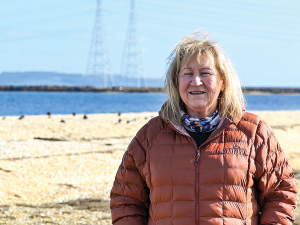
For 15 years, Glenda Rees has travelled from Gore to Awarua, often several times a week, to keep watch over one of the country’s rarest birds.
With some farmers opposing a government-industry partnership set up to develop methane reducing products, one NZ company claims that it already has a product on the market.
During the nesting season, from September to December, industrious starlings can quickly build nests in the darker areas behind tractor and vehicle, usually close to hot engines, typically resulting in localised damage or in some cases complete write-offs.
The meat processing industry is much more collegial than it was in the past and is now more focused on common goals.
With the last couple of months having seen some potential tractor purchases put on hold with the impending election and continued input cost rises, year-to-date figures, ending September, has seen deliveries up around 5% over the same period in 2025, with a total of 2026 units.
Beef+Lamb New Zealand is calling for nominations for director roles in the Northern South Island and Northern North Island electoral districts.


OPINION: The same mainstream media muppets that brought you Jacindamania in 2017 have been flat out pimping for the Opportunities…
OPINION: Your old mate reckons the atrocious way farmers in the UK are treated by their lords and masters in…