Biozest Says It Cuts Emissions, Needs Trial Funding
With some farmers opposing a government-industry partnership set up to develop methane reducing products, one NZ company claims that it already has a product on the market.




 increase font size
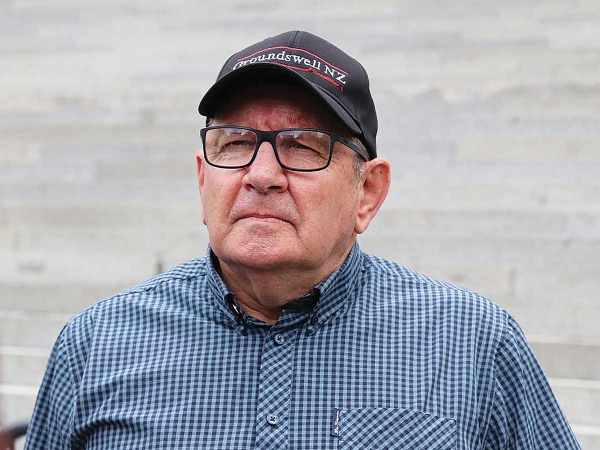 Bryce McKenzie
Farmer lobby Groundswell believes that farmers are worried about the implications of a potential centre-left government.
Groundswell co-founder Bryce McKenzie told Rural News that farmers are worried that there could be a return to unworkable freshwater regulations that were introduced under the last Labour government.
“It’s fair to say farmers are very apprehensive and certainly concerned that there could be a centre-left government, especially when they are talking about going back to the (former Labour Environment Minister) David Parker’s unworkable freshwater regulations as a starting base for their national policy statement (NPS) on fresh water.”
McKenzie says another major concern is that whichever government gets in, more money will be poured into AgriZero, a partnership between the government and primary sector players to invest in methane reduction technology.
“Whoever gets in will persevere with AgriZero and their crazy witch hunt of ruminant methane reduction.”
He says the influence of the Paris climate change agreement on farming remains a major concern.
While both ACT and New Zealand First support withdrawing from the Paris Accord, National is sticking with it.
In a Facebook post last week, Groundswell reminded its 67,000 followers about the MMP system and how it matters more this election.
“As always, Groundswell isn’t here to tell you how to vote, but for those who are considering which one of the coalition parties to support, it’s worth thinking about the actual effect your party vote could have on the next Parliament.
“If National wins more electorates than the number of seats their share of the party vote would give them, another party vote for them won’t contribute to more seats in the coalition.”
With some farmers opposing a government-industry partnership set up to develop methane reducing products, one NZ company claims that it already has a product on the market.

Farmers opposing rural trader Farmlands’ investment in AgriZeroNZ are warning the co-operative board not to brush away their concerns.
Farmers will wait it out like the rest of the country as the composition of the incoming government remains up in the air.
Wayne McNee, chief executive of AgriZeroNZ, has resigned and will leave the organisation on 15 January 2027.
Outgoing ACT MP and dairy farmer Mark Cameron says Saturday’s election result reflects voters deeply impacted by the cost of living.

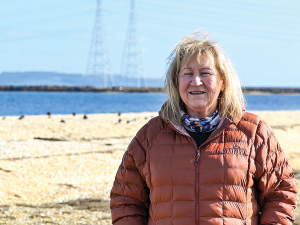
For 15 years, Glenda Rees has travelled from Gore to Awarua, often several times a week, to keep watch over one of the country’s rarest birds.
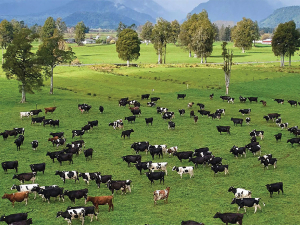
With some farmers opposing a government-industry partnership set up to develop methane reducing products, one NZ company claims that it already has a product on the market.
During the nesting season, from September to December, industrious starlings can quickly build nests in the darker areas behind tractor and vehicle, usually close to hot engines, typically resulting in localised damage or in some cases complete write-offs.
The meat processing industry is much more collegial than it was in the past and is now more focused on common goals.
With the last couple of months having seen some potential tractor purchases put on hold with the impending election and continued input cost rises, year-to-date figures, ending September, has seen deliveries up around 5% over the same period in 2025, with a total of 2026 units.
Beef+Lamb New Zealand is calling for nominations for director roles in the Northern South Island and Northern North Island electoral districts.




OPINION: The same mainstream media muppets that brought you Jacindamania in 2017 have been flat out pimping for the Opportunities…
OPINION: Your old mate reckons the atrocious way farmers in the UK are treated by their lords and masters in…