Damien O’Connor Criticises Budget 2026 as ‘Miserable’ for Rural New Zealand
A miserable budget that didn’t deliver much for anyone.
 increase font size
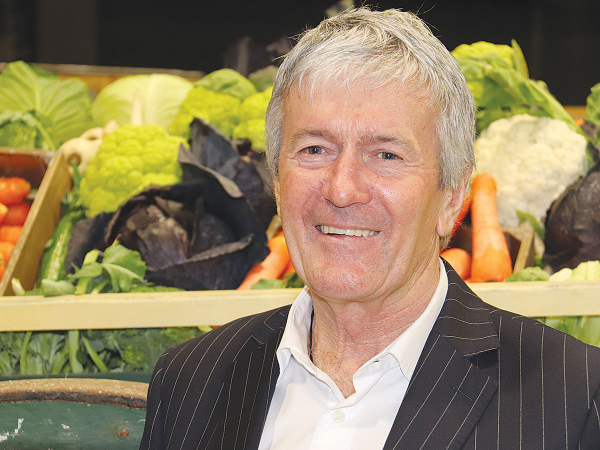 Rural Communities Minister Damien O'Connor.
The government is backing rural communities across New Zealand by investing in a growing number of rural community hubs, says Rural Communities Minister Damien O’Connor.
“These hubs are an important part of the work we do alongside rural New Zealand, supporting local efforts on-the-ground to ensure communities are resilient and connected,” says O’Connor
Since the programme was set up, funding has been allocated for 20 hubs in rural areas across the country.
“Our hubs programme is backed by $1.13 million over three years and is providing a boost for communities where basic services are out of easy reach.
“The latest community to benefit is Ruakituri in northern Hawke’s Bay, where $32,000 has been allocated to the Wairoa Community Development Trust.
“By partnering with rural communities facing challenges these hubs help strengthen residents’ resilience and wellbeing,” says O’Connor.
The first hub was established at Tikitiki on the East Cape in December 2019.
“Since then, we’ve funded community-driven initiatives from the Kaipara district in Northland to Middlemarch in Otago, with three more in the pipeline.”
O’Connor says the Norman Kirk Memorial Reserve Committee has been allocated $40,000 this month to create more opportunities to bring residents together on the Chatham Islands.
“No two hubs are the same. They’re set up by local people who’re responding to local needs, whether that be a mothers’ group or education programmes for young farm employees.”
The rural community hub programme is part of the Government’s Fit for a Better World roadmap, which aims to support strong, sustainable rural communities and grow the food and fibre sector workforce by 10% by 2030.
“On top of the funding we’re providing for hubs, $1.29 million has also been allocated over three years for new wellbeing initiatives to complement our support for Rural Support Trusts.
“Those initiatives are bolstering services that help improve the mental wellbeing of rural Māori, young farm employees, farming mothers, migrants and remote rural communities facing challenges.
“Access to support, advice and mental wellbeing services will help rural communities build their capacity to respond to change, which is vital as we navigate the impacts of the Covid-19 pandemic,” O’Connor says.
A miserable budget that didn’t deliver much for anyone.

National's decision to ‘dribble’ information about the NZ/India to Labour contributed to the delay in it deciding to supported the FTA.
When it comes to international trade, politicians from all sides of the aisle are united, says Labour's trade spokesman Damien O'Connor.
Federated Farmers have reiterated their support for the coalition Government to abolish the present ban on the live export of animals.
As the coalition Government mulls new regulations to reinstate the export of live animals, debate is heating up between supporters and opponents.

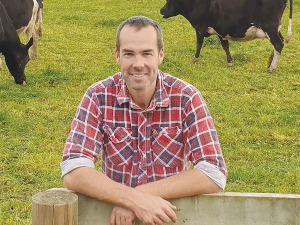
DairyNZ deputy chair Cameron Henderson has been re-appointed unopposed for another term.
Farms across the upper North Island are trialling different pasture mixes as part of a research programme that aims to build greater resilience into farming systems.
Election years are always a concerning time for farmers, according to DairyNZ chair Tracy Brown.
The Ballance Farm Environment Awards are coming to the West Coast of the South Island.
Most dairy regions around the country have had a pretty good season so far says Tracy Brown.