DairyNZ's Tracy Brown Flags El Nino Risk for Dairy Farms
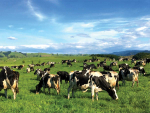
Most dairy regions around the country have had a pretty good season so far says Tracy Brown.
 increase font size
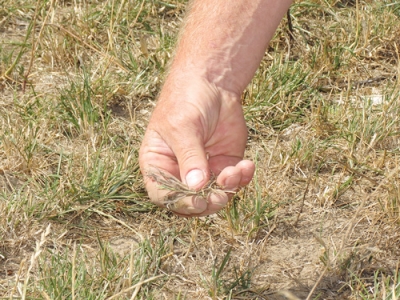 The Rural Support Trust is getting information out early about help available in case the El Nino brings drought.
The Rural Support Trust is getting information out early about help available in case the El Nino brings drought, says Northland Rural Support co-ordinator Julie Jonker.
"If a drought is declared we are the ones who usually help disseminate information on assistance that could be available," she told the Northland Beef + Lamb NZ farmer council annual meeting in Whangarei.
"We can then access, through the Ministry for Social Development, what they call rural support assistance payments, available to people who are finding it really difficult to cope financially."
She said if you sell beef stock, for instance, because the animals could not be kept on the farm but the proceeds are needed to restock, that money is ring-fenced. So the money a household needs perhaps to put food on the table is not drawn from that.
"That is an option available – asset tested but not taking into account capital you have to use for the farm," Jonker said.
If a "particularly unkind" El Nino develops the trust will increase the number of collaboration dinners, sponsored by various companies, so farmers can network.
A farmer told her during one El Nino that they kept getting south-westerly showers in the north that mitigated the situation somewhat.
"But we don't know what it will do. So we are trying to get information out early. It is far better to get that information and be able to plan than be taken by surprise."
On her farm they have destocked by 50% because they don't want to get caught with animal welfare issues if it does get dry.
Also available through the trust are facilitators – retired farmers, beef or dairy – people who have been in rural banking.
"So if someone is overwhelmed they sometimes can't see where they're going. These guys are really good at having a look at the situation, having a talk to you – pointing you in the right direction, to where to get help, then helping you to get that.
"We're not aligned to anybody, we're not doing something because we're directed to; this is something put in place to help the rural community."
It extends not only to beef and lamb farmers but also dairy farmers, contractors or anybody who makes their living from primary industry.
Most dairy regions around the country have had a pretty good season so far says Tracy Brown.
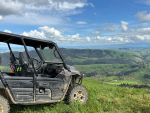
The terrible floods that hit the Wairarapa may have subsided, but the danger to farmers still exists, according to local Federated Farmers president Rob Hickson.
Are you ready for El Nino? That’s the question asked by Beef+Lamb NZ’s Ian Tarbotton who leads B+LNZ’s farm extension service.
After a winter of frozen pipework and refrigeration call-outs, Terravest chief executive Kip Bodle and chief operating officer Luke Walker explain why this El Niño summer calls for a different kind of preparation, before the first heatwave finds the weak points for you.
Plan ahead and be patient. That’s the message to farmers and horticulturalists from the chairman of the NZ Agricultural Aviation Association, Kent Weir.


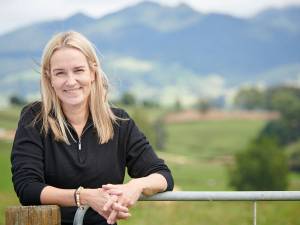
Minister of Conservation Hon Tama Potaka has appointed Susan O'Regan as Chair of the Queen Elizabeth II National Trust (QEII) for a three-year term.
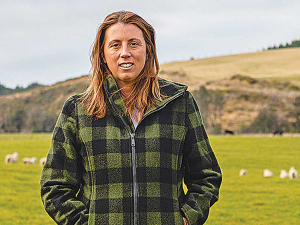
Red meat farmers are welcoming Labour’s plan to review the Emissions Trading Scheme and not to campaign on pricing agricultural emissions.
Where any worker in the kiwifruit industry is mistreated, we expect the authorities to take action.
Mid Canterbury Federated Farmers arable chair, Bevan Lill, said Beef + Lamb NZ data indicated that for the last six years, the average arable return on investment was about 0.8% while inflation ran about 4% - so the average arable farm was going backwards at about 3% a year.
Seed and grain companies share the concerns of arable farmers about the viability of their sector, says Seed and Grain New Zealand chief executive Dr Sarah Clark.
The New Zealand Institute of Forestry (NZIF) says unnecessary changes to New Zealand’s Emissions Trading Scheme (NZ ETS) will seriously erode investor confidence and result in significant reductions in forest planting rates.