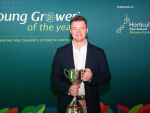
James Blair Named 2026 Young Grower National Champion
James Blair, an agronomist for AS Wilcox and the Pukekohe regional champion, has won the 2026 Young Grower national title.
 increase font size
 Horticulture NZ chairman Julian Raine.
Horticulture NZ chairman Julian Raine believes horticulture can, as predicted, overtake dairying as NZ’s main export industry.
Raine told Rural News, at the recent HortNZ conference, he believes dairy is reaching its peak in this country and the tolerance for dairy and sustainability of the sector is being called into question.
Raine says horticulture will get past dairy as an industry because it is seen as sustainable, moving with the times and as delivering innovative, safe and reliable food to many overseas customers.
“Horticulture’s day has come; there are now a lot of success stories in horticulture. We’ve been quietly working our way up while the limelight has been on dairy.
“Horticulture is getting win after win after win. We have been concentrating on new markets, in particular in Asia – not just China, but right across Asia from Japan around through to India.”
Raine says horticulture has ridden well on the back of free trade agreements and reduced tariffs that make a huge difference to the industry. A focus on telling the horticulture story is paying off.
“Our story resonates in the market with consumers: we are seen as safe and producing the high quality food consumers are looking for.” – Peter Burke
James Blair, an agronomist for AS Wilcox and the Pukekohe regional champion, has won the 2026 Young Grower national title.
Blueberries have the potential to become a major horticultural export, earning up to $150 million within the next three to five years.
New Zealand needs to make sure that it continues to focus on its own food security, according to HortNZ board member and blueberry grower Dermott Malley.
According to a progress report on the Aotearoa Horticulture Action Plan (AHAP), New Zealand's horticulture sector is making real progress on the big issues facing growers.
Horticulture New Zealand’s Board has welcomed the re-election of grower-elected directors Alistair Petrie and Doug Brown.


Farmer-owned fertiliser company, Ballance Agri Nutrients is welcoming National’s plan to negotiate security agreements with key supplier countries to protect New Zealand-bound products from export restrictions and greater supply chain certainty.

Carrfields has announced the appointment of Stu Hall to the newly created role of chief operating officer, Carrfields Ltd, reflecting the continued growth of their agribusinesses and the need to ensure the company has the leadership capacity and support in place as it pursues the emerging opportunities ahead.
New Zealand's role is not to compete with Indian growers, according to NZ Apples and Pears.
The potato industry is celebrating the success of two rising stars - James Blair, the 2026 Young Grower of the Year and runner-up and innovation award winner, Amber Davy.
Twenty-eight emerging leaders from across the horticulture sector spent two days last month learning valuable skills and connecting with industry experts.
There are five entrants in this year’s Young Horticulturist of the Year, competing in a series of technical, practical, business and leadership challenges.