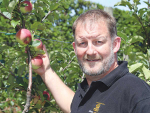
Zero Tariff Squeezes NZ Citrus Growers, Forum Hears
New Zealand's citrus growers have been told to compete on the value built into their fruit rather than the volume they grow.



 increase font size
 Kate Scott, HortNZ chief executive.
Trainees in the horticulture industry studying towards a certificate or diploma can now apply for Horticulture New Zealand's (HortNZ) 2026 Industry Training Scholarships programme.
Twenty-five scholarships worth $600 each are available.
The scholarships are part of HortNZ's annual programme of scholarships for New Zealand students with a special interest in the commercial fruit and vegetable production sector.
The scholarship is applied for at the beginning of the academic year and awarded pre-Christmas for keeping up with work and study throughout the year.
HortNZ chief executive, Kate Scott says the organisation is focused on supporting the next generation of achievers undertaking industry training or education with a vocational provider.
“Horticulture offers so many opportunities for people with a very wide range of interests and abilities," Scott says.
“That includes being able to earn while you learn, working with experienced mentors in interesting roles in orchards, greenhouses or field crops, or throughout the horticulture supply chain, while pursuing a direct pathway to gaining NZQA recognised qualifications.”
Applicants for the Industry Training Scholarships must be active in the horticulture industry and be studying towards a certificate or diploma.
Applications close Sunday, 29 March.
New Zealand's citrus growers have been told to compete on the value built into their fruit rather than the volume they grow.

James Blair, an agronomist for AS Wilcox and the Pukekohe regional champion, has won the 2026 Young Grower national title.
Blueberries have the potential to become a major horticultural export, earning up to $150 million within the next three to five years.
New Zealand needs to make sure that it continues to focus on its own food security, according to HortNZ board member and blueberry grower Dermott Malley.
According to a progress report on the Aotearoa Horticulture Action Plan (AHAP), New Zealand's horticulture sector is making real progress on the big issues facing growers.



Farmer-owned fertiliser company, Ballance Agri Nutrients is welcoming National’s plan to negotiate security agreements with key supplier countries to protect New Zealand-bound products from export restrictions and greater supply chain certainty.

Carrfields has announced the appointment of Stu Hall to the newly created role of chief operating officer, Carrfields Ltd, reflecting the continued growth of their agribusinesses and the need to ensure the company has the leadership capacity and support in place as it pursues the emerging opportunities ahead.
New Zealand's role is not to compete with Indian growers, according to NZ Apples and Pears.
The potato industry is celebrating the success of two rising stars - James Blair, the 2026 Young Grower of the Year and runner-up and innovation award winner, Amber Davy.
Twenty-eight emerging leaders from across the horticulture sector spent two days last month learning valuable skills and connecting with industry experts.
There are five entrants in this year’s Young Horticulturist of the Year, competing in a series of technical, practical, business and leadership challenges.


OPINION: The same mainstream media muppets that brought you Jacindamania in 2017 have been flat out pimping for the Opportunities…
OPINION: Your old mate reckons the atrocious way farmers in the UK are treated by their lords and masters in…




