Horticulture in New Zealand is the little brother to the major powers of the dairy, meat, forestry and wine sectors.
But this little brother is growing up fast.
At the end of 2015 the Ministry for Primary Industries predicted the rise and rise of horticulture will make a considerable contribution towards offsetting the slump in the primary sector's export earnings caused by the dairy downturn.
But commercial fruit and vegetable growing in New Zealand is not experiencing a 'renaissance' or an 'upturn' in its fortunes. No, the growth the industry is experiencing is built on years of long-term strategic planning, commitment to developing new markets, constant evolution of production systems and of course, good old fashioned hard work.
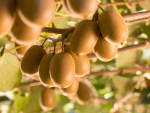
MPI's outlook for 2016 predicts a rise in industry returns of about $700 million, thanks to the recovery of kiwifruit post-Psa, increasing apple exports and improved market access with lower tariffs and exchange rates for product like onions, buttercup squash and cherries.
New Zealand's 5500 commercial fruit and vegetable growers don't take much for granted. Not the weather, the government or their industry representatives. They care about putting good food on the tables of families in New Zealand, and in about 120 other countries around the world. They expect the people working for them to care just the same.
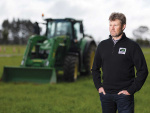
So this is the challenge facing the man just appointed to lead horticulture's peak industry body, Horticulture New Zealand. Mike Chapman, former chief executive of the Kiwifruit Growers Inc, will take over the role early in 2016 following the departure of long-serving CE Peter Silcock.
Mike studied law at Otago University, joined the New Zealand Navy and worked for 16 years finishing his military career as the Defence Force solicitor. In 1995 he left the service to join the Commerce Commission, working under former Reserve Bank governor Alan Bollard. Five years on Mike left to join the Auckland District Law Society as its professional standards director, and so began his involvement with membership associations. In 2002 he moved to Tauranga and took up the role of chief executive of the regulatory body Kiwifruit New Zealand, and moved over to work for kiwifruit growers at NZ Kiwifruit Growers three years later.
Mike says the appeal of his new role with Horticulture New Zealand lies in the opportunity to work across the entire horticulture industry, which has enormous potential and scope for better collaboration and development.
"What really excites me is being in the position to strengthen all the existing networks in horticulture," he says.
Horticulture New Zealand is the umbrella organisation that brings together more than 20 different horticulture industry 'product groups' and many regional or district grower associations. The industry tries hard to work together, coming together to work on many issues of mutual interest, such as biosecurity protection, labour supply, industry training and government advocacy.
"I have a strong belief in HortNZ as the over-arching body for the vegetable and fruit industry. And there is room for us all to do a much better job of working together, to get greater benefits for growers."
Mike is no stranger to working with politicians, government policy makers and local council officials. He's keen to bring this expertise to HortNZ.
"Helping in the development of government policy so it treats our growers in the best possible way is something I'm really passionate about."
Mike is looking forward to working with an extensive range of more than 100 different products. Horticulture is New Zealand's fourth largest export industry, with a total value of just over $5 billion, export returns making up more than half of that figure.
The industry has a strategic plan to make horticulture a $10 billion industry by 2020.
"And I'm excited about being part of the industry as we close in on that goal. I have every confidence that we can get there."