International Day of Rural Women: Two DairyNZ Farmers’ Stories
Today, 15 October, is the International Day of Rural Women, which recognises rural women’s contribution to farming, communities and the environment.
 increase font size
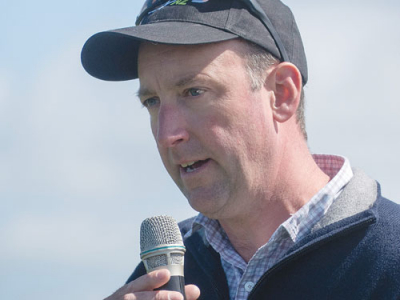 DairyNZ biosecurity manager Chris Morley believes imported semen is the most likely source of the M.bovis incursion.
DairyNZ biosecurity, readiness and response manager Chris Morley would bet on imported semen as the most likely source of the Mycoplasma bovis incursion.
Speaking at the recent Lincoln University Dairy Farm spring focus day, Morley said the source of infection remains the “million dollar question”.
He said M bovis typically moves in live animals, semen and embryos, or “theoretically” on something like unwashed milking equipment being smuggled in.
Morley, who sits on the governance board for the Mycoplasma bovis response team, says it was unlikely to have come in from live cows because nothing had come in for three years, and gene sequencing now being done discounted that route.
That left semen and embryos.
“If you look at it, just on likelihood, we’re bringing in quite a lot of semen from overseas compared with embryos, so my bet would be semen,” Morley explained.
“What’s interesting is that internationally semen has never been shown to spread disease to a farm, but we know if you test semen you will find M.bovis bits periodically. If you test enough semen you’ll find it eventually. Whether that’s enough to cause disease has always been argued.”
LUDF veterinarian Chris Norton pointed out a “hole in the fence”, in that it is possible to buy semen from around the world without declaring it as having been taken from a bull found free of Mycoplasma.
However, Morley says trying to force suppliers to test every bull becomes a trade issue because they do not think it is a valid concern. He says MPI had “been there a number of times”.
“I wouldn’t be rushing to say MPI’s dropped the ball on this,” Morley added.
Semen can only be imported from countries free of foot and mouth and with a high health status, chiefly from North America and Europe.
“They do not have to test every single bull. All it says on the certificate – there’s a whole bunch of clauses on there about diseases – is ‘there’s no known evidence of Mycoplasma bovis in the bull’.”
Morley admits that “no known evidence” is actually quite a weak statement from a disease point of view.
“The reason it’s not been changed or tightened up is because when you try to negotiate with other countries, all of those breeding companies say there’s no scientific evidence to show it’s ever spread in semen. There’s a cost to doing this, no-one else is asking for it, so we’re not doing it.”
Morley says that because every other country has got M.bovis, they cannot tell if it is being spread through semen, or animals touching noses over the fence. That put New Zealand in the unique situation to be able to test the hypothesis that it could spread through semen. However, he does not think it will ever be possible to say it came from any particular straw.
Today, 15 October, is the International Day of Rural Women, which recognises rural women’s contribution to farming, communities and the environment.
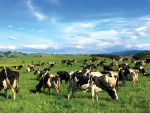
The first major update to the Dairy Cattle Code of Welfare in more than a decade has been released, marking what DairyNZ describes as an important step in ensuring animal welfare standards continue to evolve alongside scientific evidence and on-farm realities.
Have a plan in place for your cows and staff.
DairyNZ deputy chair Cameron Henderson has been re-appointed unopposed for another term.
OPINION: The stats speak for themselves.


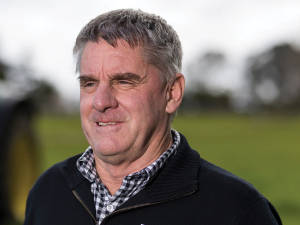
Federated Farmers has welcomed new rural policies released by ACT, saying they align closely with its own election priorities.
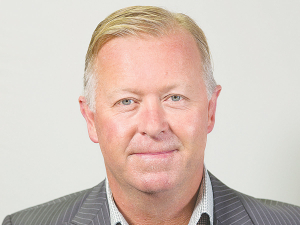
Rural Contractors NZ says proposed changes to land transport rules for agricultural vehicles are a welcome response by the Government to out of date regulations which have seen members hit with huge fines.
Alliance is calling for final applications for its 2027 Graduate Programme, with applications closing on Sunday 25 October.
Decades piloting planes has ensured vet and farmer David Hayes is focused on safety. So, after a serious accident while welding on farm, he is sharing his experience so others can learn from it.
Canterbury milk processor, Synlait Milk has confirmed Leon Fung as its chief executive officer.
OPINION: Making it easier to collect rainwater and use it to grow crops and livestock is a no brainer.